
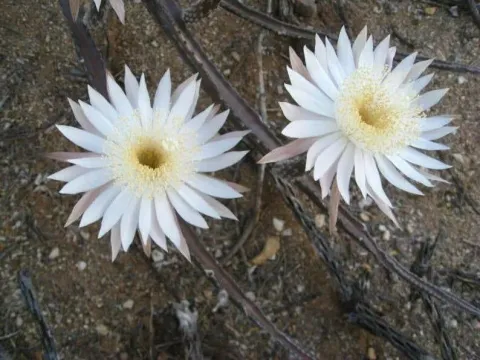
Peniocereus
Peniocereus
Peniocereus is a genus of the Cactaceae family, known for its unique, slender, and often climbing stems. These plants are native to the arid regions of North America, particularly in the Southwestern United States and Mexico, where they thrive in harsh desert environments.
What the section contains


Peniocereus
A defining characteristic of Peniocereus is the presence of large, fleshy, tuberous roots. These subterranean structures are evolutionary adaptations that allow the plant to store significant amounts of water and nutrients, helping it survive long periods of drought.
Cultivating Peniocereus requires specific conditions, primarily focusing on intense sunlight and high-quality drainage. In a greenhouse or indoor setting, they should be placed in the brightest possible spot to maintain compact and healthy stem growth.
The soil must be highly porous, typically a mix of potting soil, coarse sand, and perlite. A heavy or moisture-retentive substrate will almost certainly cause the sensitive tuberous roots to rot, which is the most frequent cause of failure for new growers.
Temperature management is critical: these cacti prefer warm days during the growing season and cool, dry conditions during their winter dormancy. Avoiding any water application during the winter months is essential to simulate their natural seasonal cycle.
Root rot caused by fungal pathogens is the primary threat to the longevity of Peniocereus. This condition is usually a direct consequence of overwatering or inadequate soil aeration, leading to the rapid decay of the tuberous roots.
Common insect pests include mealybugs and spider mites, which are particularly troublesome in dry, stagnant indoor air. These pests target the new, soft growth of the stems, causing them to weaken and become susceptible to secondary infections.
To prevent infestations, growers should monitor the stems closely for white, cottony webs or yellowing patches. Implementing a regular cleaning schedule and using appropriate miticides or insecticides can keep these pest populations under control.
Root-knot nematodes can also affect the fleshy roots, leading to a decline in plant vigor and health. Using sterilized planting mediums when repotting is an effective strategy for preventing the introduction of these soil-borne pests.
By ensuring excellent drainage and maintaining a proper balance of light and airflow, growers can effectively mitigate the risks of these threats and keep their plants in prime condition.