
Peanut Cactus
Chamaecereus silvestrii
Description
Growing requirements
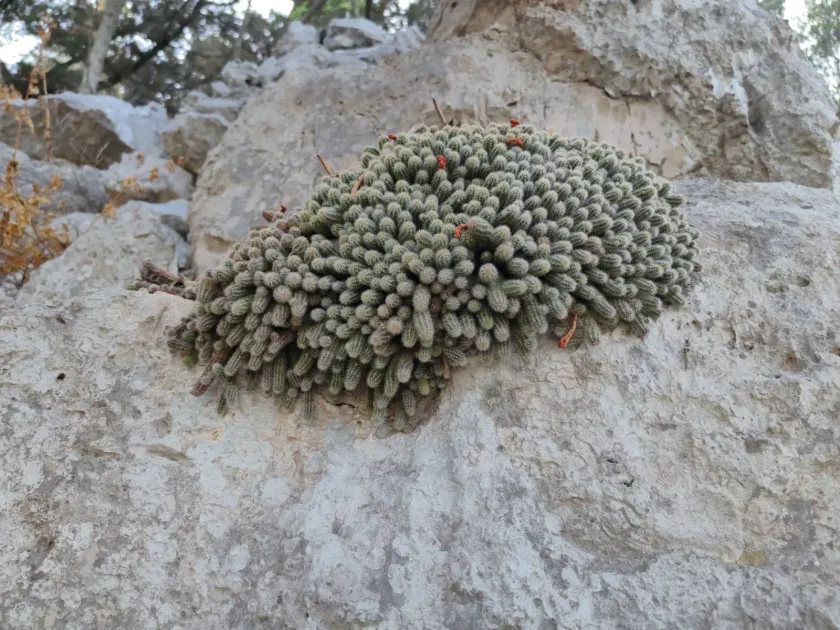
Chamaecereus silvestrii, commonly known as the Peanut Cactus, belongs to the Cactaceae family. It is native to the mountainous regions of Argentina and is highly valued in horticulture for its fast growth and profuse, vibrant flowering habit.
Botanically, the plant is characterized by its finger-like, branching stems that are soft to the touch and covered in small, harmless spines. These segments are the primary unit of vegetative propagation, making it easy to multiply in controlled agricultural settings.
The crop thrives in full sun exposure. It requires bright, direct light for at least six to eight hours a day to maintain its compact, healthy appearance and to stimulate the production of its characteristic red-orange blooms.
Soil requirements are strict regarding drainage. A standard commercial cactus mix should be amended with perlite, grit, or pumice to ensure that the roots never sit in waterlogged substrate, which is essential for long-term plant health.
Agricultural management includes a distinct dormant period. During the winter, watering should be significantly reduced and the temperature lowered to encourage a state of rest, which is necessary for triggering the next year's blooming cycle.
Main diseases and pests
The primary threats to Chamaecereus silvestrii involve moisture-related diseases. Overwatering is the most common mistake, leading to rapid root rot that can be difficult to reverse once the stems show signs of collapse.
Pest management should focus on monitoring for spider mites, which can cause significant cosmetic damage by webbing across the stems and sucking the plant's cell sap, leading to yellowing or stunted growth.
Mealybugs are another common pest that tends to hide in the joints between stem segments. Regular inspection with a magnifying lens is recommended to detect early infestations before they spread to the entire cluster.
Chemical control involving systemic insecticides may be necessary during severe outbreaks. However, physical removal using an alcohol-soaked brush is often effective for small-scale infestations in home greenhouses.
Maintaining proper ventilation is the most effective preventative measure against fungal and bacterial issues. Stagnant, humid air creates an environment conducive to the rapid spread of pathogens, compromising the integrity of the succulent tissues.