
Simpson's pincushion cactus
Pediocactus simpsonii
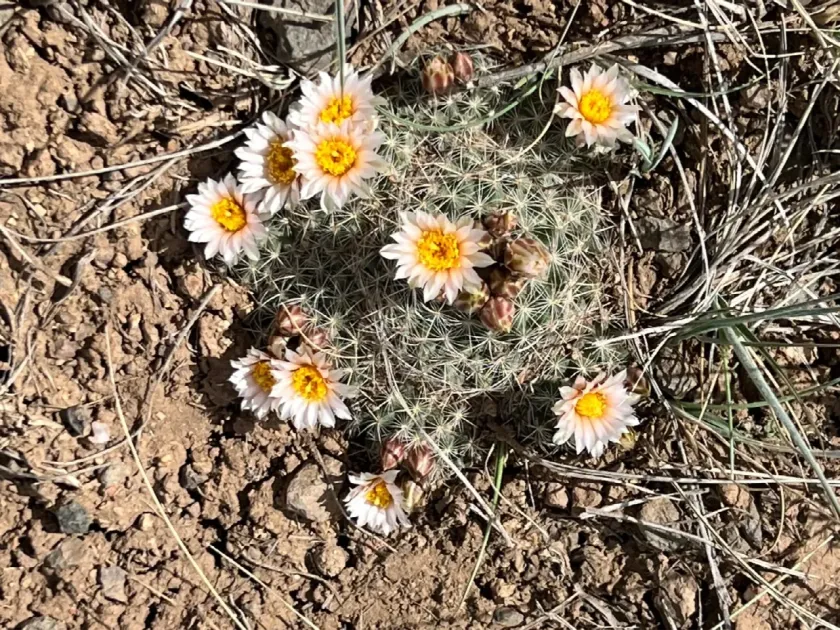
Description
Growing requirements
Simpson's pincushion cactus (Pediocactus simpsonii) belongs to the Cactaceae family. It is a unique alpine species native to the high-altitude regions of the North American mountains, where it grows in harsh, arid environments.
The plant features a spherical stem that can be solitary or clumping, covered with complex spines. These spines are critical for survival as they provide insulation and shade, protecting the succulent body from intense alpine sunlight and wind exposure.
When cultivating this species, site selection is paramount. The grower must provide a highly porous, well-draining soil mix that mimics the rocky, mineral-rich soils of its native habitat, preventing any moisture retention around the roots.
Climate requirements include cold winter dormancy, which is essential for healthy development and flowering. This plant is known for its cold hardiness, but it requires protection from excessive moisture during the dormant season to remain healthy.
The species prefers full sun exposure to maintain its compact growth form. Proper ventilation is also a non-negotiable factor in its cultivation, as it helps regulate the microclimate around the plant and prevents the buildup of humidity.
Main diseases and pests
Root rot is the most common disease affecting this cactus. It is almost exclusively caused by overwatering or poor drainage systems. Once the root system is compromised, the plant is often difficult to save due to the rapid spread of decay.
Mealybugs are the primary pest concern. These insects nest deep within the dense spine network, making them difficult to detect and treat. Regular manual inspections are recommended to catch infestations before they cause significant damage.
Spider mites can also be problematic, especially in low-humidity environments. These pests feed on the plant's tissues, leaving behind discolored patches and weakening the cactus, which makes it more susceptible to opportunistic infections.
Fungal pathogens represent a constant threat, especially during transition periods like early spring. Applying preventive fungicides and ensuring a dry soil surface can significantly reduce the impact of these common environmental pathogens.
Lastly, improper care during the dormant period can lead to physiological disorders. If a plant is forced to grow without a sufficient rest period, its immunity decreases, leading to stunted growth or total collapse under normal cultivation stress.