
Opuntia velutina
Opuntia velutina
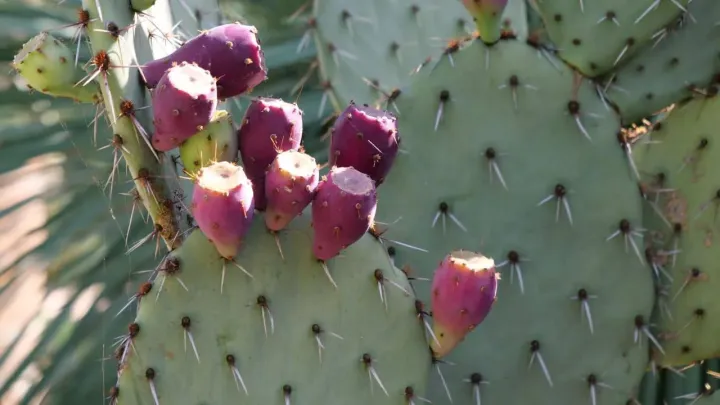
Description
Sowing dates
The propagation of Opuntia velutina in agricultural settings is predominantly achieved through vegetative propagation, utilizing individual cladodes (pads). The ideal time for planting is the beginning of the dry season or just before the onset of rains, allowing the root system to establish before extreme heat peaks.
For seed propagation, sowing is carried out in controlled nursery environments using well-draining sandy substrates. Seeds may require temperature treatment or scarification to improve germination rates, which is essential for breeding programs aiming to develop improved crop varieties.
Commercial plantations are typically established with wide row spacing to facilitate mechanized maintenance and harvesting. Optimal planting density depends on the primary goal; higher densities are often used when the focus is on maximizing the yield of green biomass for forage.
Young plants require protection from direct, intense sunlight during the initial establishment phase. Shading materials or natural nurse plants are often employed to prevent solar injury to the tender tissues and to ensure a smoother transition to field conditions.
Proper preparation of cuttings is vital; sections must be air-dried for several days to form a callus over the cut surface. This practice is a fundamental agronomic step to prevent post-planting decay caused by soil pathogens entering through open wounds.
Growing requirements
Opuntia velutina is a succulent species within the Cactaceae family, natively occurring in the semi-arid regions of Mexico. The plant is evolutionarily optimized for water retention, possessing specialized succulent tissues that allow it to thrive in environments with erratic rainfall.
The species requires well-drained soil with a neutral to slightly alkaline pH. Waterlogging is detrimental, as it predisposes the root system to rot; therefore, selecting sites with proper slope or light-textured soil is crucial for the long-term viability of the plantation.
Thermal requirements for optimal growth typically range from 20 to 35 degrees Celsius. While the species demonstrates significant resilience to temperature fluctuations, prolonged periods of freezing can cause tissue necrosis, particularly in younger cladodes that have not hardened.
High solar radiation is mandatory for optimal photosynthesis and the accumulation of secondary metabolites, including sugars in the fruits. Inadequate light levels can lead to etiolation, where the plant develops thin, structurally weak stems that are prone to lodging.
Although Opuntia velutina is drought-tolerant, supplemental irrigation during the peak vegetative stage significantly boosts productivity. Controlled water supply improves fruit size, quality, and overall biomass production, providing a competitive advantage in commercial farming.
Yield
The primary economic focus of Opuntia velutina is fruit production. The fruits are highly valued for their nutritional profile, being rich in vitamins, dietary fiber, and various antioxidants. Harvesting occurs when the fruits reach full maturity, indicated by the development of characteristic coloration.
Beyond fruit, the green biomass serves as a critical forage resource, especially in arid zones where traditional pasture crops struggle to grow. It provides a reliable source of hydration and essential nutrients for livestock during severe drought conditions.
Yield stability is heavily dependent on proper management, including strategic fertilization with nitrogen and phosphorus. With appropriate care and periodic pruning to encourage new growth, a plantation can remain economically productive for several decades.
The processing of fruits into juices, jams, and natural colorants forms a significant part of the value chain. Increasing interest from the food industry in plant-based ingredients has opened new markets for high-quality, sustainably grown Opuntia products.
Recent research highlights the potential of Opuntia velutina in the cosmetic and pharmaceutical sectors. Extracts from the pads are being studied for their anti-inflammatory and moisturizing properties, suggesting future potential for higher value-added product development.
Main diseases and pests
The primary pest threat to Opuntia velutina is the cochineal scale, which extracts sap from the pads and weakens the plant. Infestations can lead to stunted growth and reduced fruit yield, requiring diligent monitoring and biological management strategies.
Cactus moth larvae represent another significant challenge, as they bore into the succulent stem tissues. These tunnels provide entry points for secondary bacterial and fungal pathogens, which can rapidly lead to the collapse and death of entire sections of the plant.
Fungal diseases, including Fusarium wilt and various forms of spot, are common in poorly managed plantations with high humidity or stagnant water. Preventive measures focus on maintaining good airflow and ensuring the substrate is consistently well-drained to avoid dampness.
Rodents and other small mammals may pose a risk by damaging the base of the plant or consuming tender growth. Perimeter fencing and maintaining clear rows are standard practices used by farmers to mitigate these losses in commercial settings.
Integrated Pest Management (IPM) is the gold standard for this crop, emphasizing the use of beneficial predators, resistant varieties, and minimal chemical intervention. This approach ensures long-term sustainability while maintaining the safety and quality of the final harvest.