
Ortegocactus
Ortegocactus
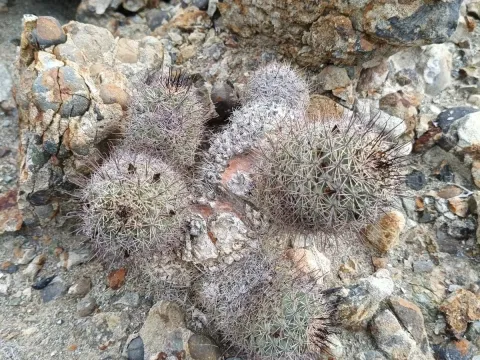
Ortegocactus is a monotypic genus of succulent plants within the Cactaceae family. It is represented by a single species, Ortegocactus macdougallii, which is highly valued by collectors for its distinct appearance and compact growth form.
What the section contains

Ortegocactus
This species is native to a very restricted area in the state of Oaxaca, Mexico. Its natural habitat consists of limestone cliffs, which has significant implications for its cultivation requirements, particularly regarding soil pH and mineral content.
For successful growth, it requires a highly porous, mineral-based substrate. Incorporating limestone grit is strongly recommended to mimic its native habitat conditions and prevent the substrate from becoming too acidic or dense.
Optimal light exposure for Ortegocactus involves bright, indirect sunlight. While these plants are adapted to harsh environments, intense midday sun in a greenhouse or window setting can cause severe sunburn and tissue damage.
Temperature management should prioritize moderate levels, ensuring adequate ventilation at all times. Proper air circulation is essential to mimic the exposed rocky slopes where this plant thrives in the wild.
The most critical threat to Ortegocactus is root rot, which typically occurs due to poor soil drainage or excessive watering, especially when temperatures are low and evaporation is minimal.
Root mealybugs pose a significant risk, as they are notoriously difficult to detect and can rapidly compromise the plant's health by sapping its energy from the root system upwards.
Spider mites are another common issue, particularly in arid climates with low humidity. These pests feed on the surface tissue, leaving behind unsightly scabbing and weakening the overall structure of the stem.
Proactive management includes using systemic fungicides and insecticides during the repotting process to protect the plant's delicate root system from soil-borne pathogens and pests.
Regular monitoring is essential; any signs of stem discoloration or stunting growth should prompt an immediate inspection of the root zone to identify and treat underlying issues before they become terminal.