
Pfeiffera
Pfeiffera
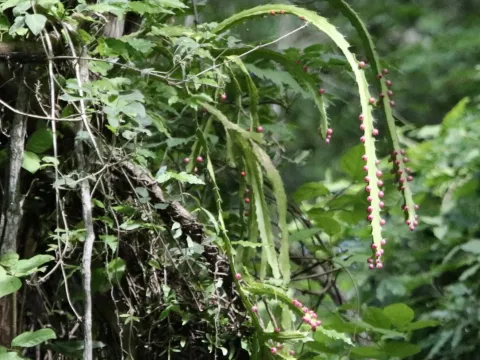
Pfeiffera is a genus of epiphytic cacti belonging to the Cactaceae family. In the wild, these plants thrive on the trunks and branches of trees or on rocky ledges, which determines their specific ecological requirements.
What the section contains


Pfeiffera
Unlike desert cacti, Pfeiffera requires bright, indirect light to avoid damage from harsh sun rays. The culture prefers high air humidity and moderate temperatures, avoiding sudden drops or cold drafts.
A loose, well-draining substrate that mimics forest floor debris is essential for planting. Mixtures based on leaf mold, pine bark, coconut coir, and perlite with added charcoal are ideal.
Watering must be regular but without waterlogging the root system, which is fatal for epiphytes. During the active growth phase, the plants should be fed with specialized cactus fertilizers low in nitrogen.
The economic use of Pfeiffera is limited to ornamental horticulture. These cacti are prized by collectors for their unique stem shapes, prolific flowering, and decorative berry-like fruits.
The primary threat to Pfeiffera involves rot processes caused by excessive moisture in the substrate or poor air circulation within the growing environment.
Among pests, the culture is most frequently affected by mealybugs and spider mites. If agricultural practices are poor, scale insects may also infest the plant by sucking sap from young stems.
To prevent infestations, it is necessary to inspect the plant regularly and maintain optimal humidity levels. If pests are detected, systemic insecticides or acaricides should be applied.
Waterlogging of the soil often leads to fungal infections such as late blight; therefore, a high-quality drainage layer in the pot is crucial.
Prevention includes sterilizing potting mixes before planting and maintaining a quarantine period for new specimens to avoid spreading diseases within the collection.