
Pediocactus sileri
Pediocactus sileri
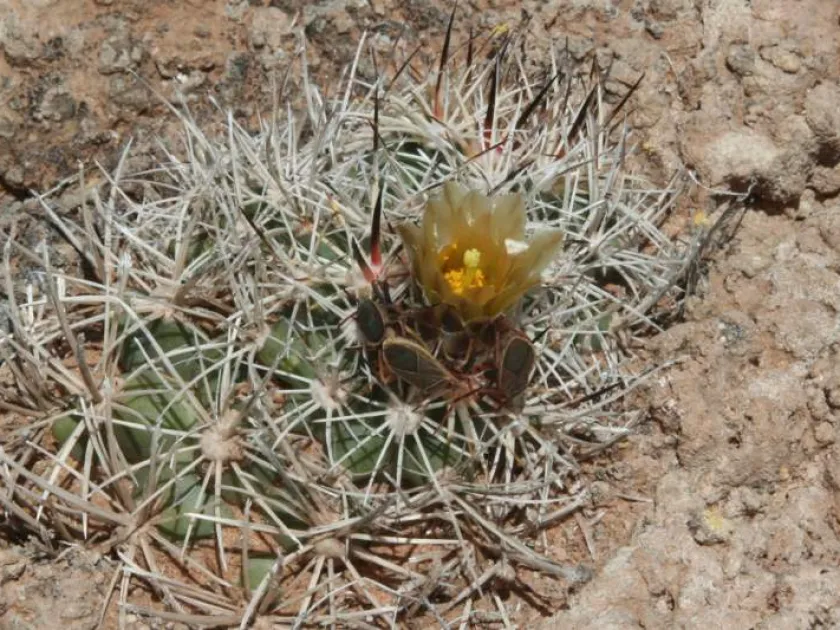
Description
Growing requirements
Pediocactus sileri is a rare member of the Cactaceae family, primarily native to the desert environments of Utah, USA, where it thrives in specific gypsum-rich soils.
This crop requires an extremely well-draining mineral substrate that mimics its natural habitat, emphasizing inorganic materials like limestone gravel and coarse sand.
Cultivation success depends on providing intense, direct sunlight, which is necessary to maintain the plant's natural compact growth form and prevent etiolation.
Temperature management is critical: the plant requires a cooling period during winter dormancy to trigger natural metabolic cycles and ensure future health.
Due to its specialized nature, this plant is best suited for experienced growers who can strictly control the water and mineral balance of the growth medium.
Main diseases and pests
The primary threat to Pediocactus sileri is root rot, which typically occurs due to poor soil aeration or stagnant moisture around the root zone.
Bacterial infections can progress rapidly in humid environments, necessitating a dry, airy growing space to preserve the structural integrity of the plant.
Spider mites are common pests that target the skin of the cactus, leaving behind unsightly damage and creating entry points for secondary infections.
Mealybugs are another persistent threat that can infest the crevices of the stem, requiring careful manual removal or targeted biological control agents.
Effective management involves preventive monitoring and the cautious application of systemic fungicides specifically formulated for slow-growing succulent species.