
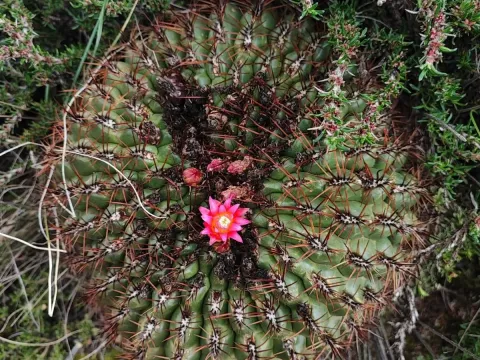
Oroya
Oroya
Oroya is a genus of cacti belonging to the Cactaceae family. These fascinating plants are native to the high altitudes of the Andes, which defines their slow growth rate.
What the section contains


Oroya
Seed propagation is the most common way to multiply these cacti. Seeds should be sown in a sterile, well-draining mineral-rich substrate during early spring.
The seeds require constant humidity and a warm environment to germinate. Covering the tray with clear plastic helps to maintain the necessary greenhouse conditions.
Young seedlings should be kept in bright, indirect light to prevent burning while ensuring they do not etiolate due to lack of energy.
The transition from a high-humidity seedling environment to a mature cactus climate should be gradual, typically happening over the course of the first year.
Oroya species naturally thrive at elevations ranging from 3000 to 4000 meters. They are accustomed to high UV radiation and extreme day-to-night temperature swings.
For home cultivation, provide the brightest possible location. A sunny windowsill or a greenhouse setting is essential for maintaining the plant's natural, compact shape.
The potting medium must be highly porous. A mixture of pumice, lava rock, and a small amount of organic soil will provide the drainage required to prevent root suffocation.
Watering should be rhythmic, mimicking the seasonal rains of their native habitat. Always allow the substrate to dry out completely between watering sessions.
A cool, dry winter rest period is crucial for Oroya. Temperatures should drop to around 5–10 degrees Celsius, which signals the plant to enter dormancy.
Root rot is the most common cause of failure in Oroya cultivation, usually triggered by waterlogging the soil during colder months or in low-light conditions.
Mealybugs are frequent pests, often clustering in the woolly areoles. They can be manually removed with a cotton swab dipped in isopropyl alcohol.
Spider mites are common in dry, indoor environments. They feed on the epidermis, leaving unsightly scars that will never recover as the plant grows.
Fungal infections can develop on the surface if ventilation is poor. Ensuring good air circulation around the plants significantly reduces the risk of such issues.
Regular monitoring of the roots and the stem base is recommended, especially when performing annual repotting or checking for signs of stress.