
Pediocactus paradinei
Pediocactus paradinei
Description
Growing requirements
Pediocactus paradinei is a member of the Cactaceae family. This miniature desert plant is native to the Colorado Plateau in the United States, where it typically thrives in specialized limestone-based soil environments.
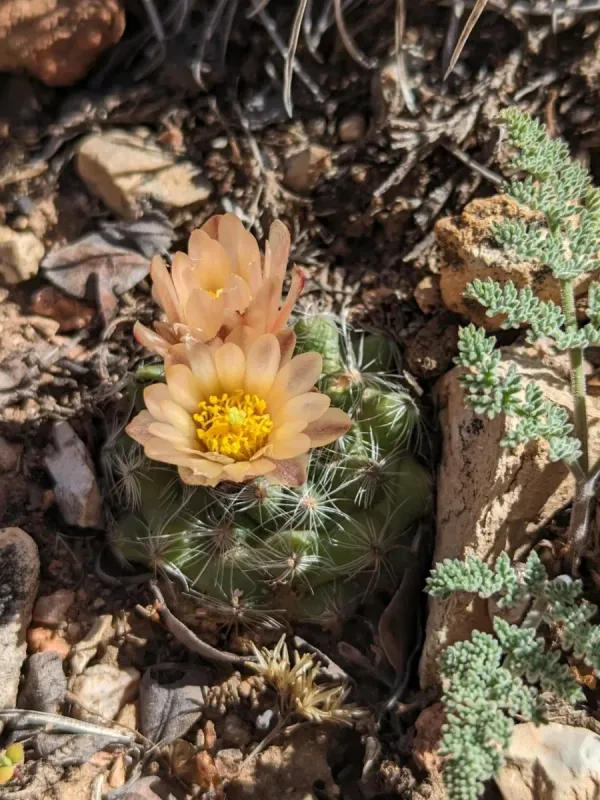
The plant features a globose or slightly elongated stem covered in dense clusters of areoles and short spines. During the active growth phase, it produces small but highly aesthetic flowers ranging from creamy white to soft pink hues.
This crop demands exceptional drainage capacity from its growing medium. In professional horticultural practices, it is critical to prevent moisture retention, as the root system of this species is highly susceptible to fungal rot under excessive watering conditions.
In cultivation, Pediocactus requires intense, bright light to maintain its structural integrity. Ideal growing conditions mimic its natural habitat: cool winter dormancy with minimal hydration and significant diurnal temperature fluctuations during the growing season.
Economic use of the species is limited to specialist collections and conservation-led breeding programs. Given the protected status of most wild populations, artificial propagation is primarily achieved through seed sowing to preserve genetic diversity.
Main diseases and pests
The primary threat to this crop is root rot caused by stagnant moisture in the substrate. It is highly recommended to use mineral-based substrates enriched with coarse sand and fine gravel for optimal drainage.
In greenhouse or indoor environments, the plant is prone to infestation by spider mites and mealybugs. Regular inspection of the areoles and maintaining adequate airflow are vital preventive measures.
Watering during the winter dormancy period is almost invariably fatal to the specimen. A completely dry and cool environment is essential for the metabolic cycle of this cactus species.
Inadequate ventilation within the cultivation area often leads to surface mold formation. Maintaining constant air circulation is key to strengthening the plant's resistance against various pathogenic fungi.
Improper fertilization, particularly with high nitrogen content, results in stem expansion and cracking. Supplemental feeding should be strictly minimized, focusing solely on trace amounts of potassium and phosphorus.