
Pediocactus peeblesianus
Pediocactus peeblesianus
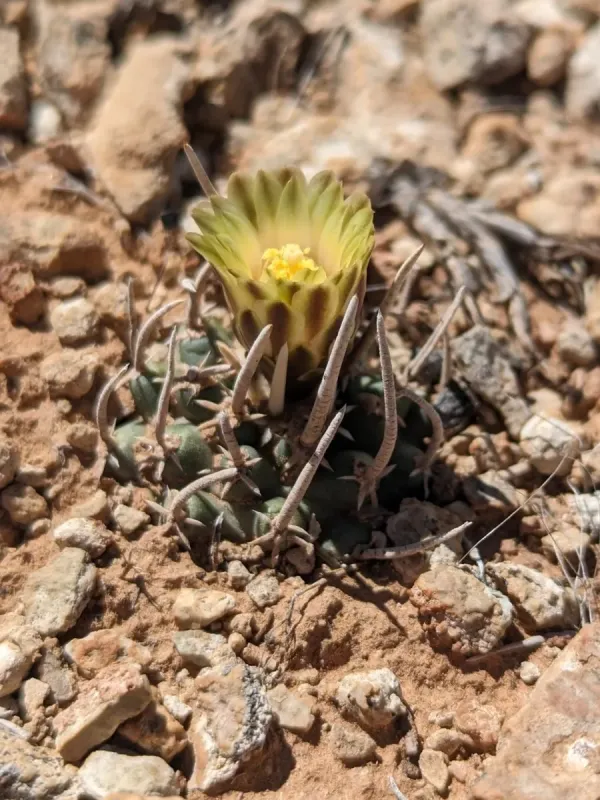
Description
Growing requirements
Pediocactus peeblesianus is a highly specialized species belonging to the Cactaceae family, native to the arid desert regions of Arizona. This dwarf cactus is highly sought after by collectors due to its distinct, textured appearance and natural rarity in the wild.
Cultivation requires a strictly mineral-based growing medium. A mixture consisting of coarse pumice, granite grit, and limestone chips provides the essential drainage required to prevent root rot. Organic matter should be kept to an absolute minimum in the soil mix.
Exposure to full, direct sunlight is a fundamental requirement for this species. Without adequate light intensity, the plant will quickly become elongated and lose its natural, dense shape. Proper ventilation is equally important to mimic its native desert environment.
The climate requirements involve a distinct seasonal cycle. A hot, dry growing season followed by a cool, bone-dry winter dormancy period is essential. Temperatures during dormancy should range between 5°C and 10°C to ensure the plant remains in a vegetative state.
Watering must be approached with extreme caution. During the active growth season, water should only be applied sparingly and only when the substrate is completely dry. Avoiding overhead watering is critical to prevent the accumulation of moisture in the woolly crevices of the stem.
Main diseases and pests
Fungal infections caused by improper moisture management represent the most significant threat to Pediocactus peeblesianus. Excessive water retention in the root zone leads to rapid tissue breakdown, which is often fatal to this sensitive species.
Root mealybugs pose a persistent challenge, often residing deep within the root ball where they remain undetected until the plant shows visible signs of decline. Routine soil inspections are recommended as a proactive measure.
Spider mites can also infest the epidermis, especially in conditions of poor airflow and low humidity. Early intervention with suitable miticides is necessary to protect the plant's structural integrity and aesthetic value.
Pest management should focus on systemic insecticides that are safe for succulent tissues. Applications should be performed during the active growing season, ensuring the root system is not overly stressed by the chemical intervention.
Preventative health strategies involve ensuring a sterile environment during repotting and maintaining a strict quarantine protocol for any new additions to the collection, thereby minimizing the risk of introducing pests or pathogens.