
Pediocactus bradyi
Pediocactus bradyi
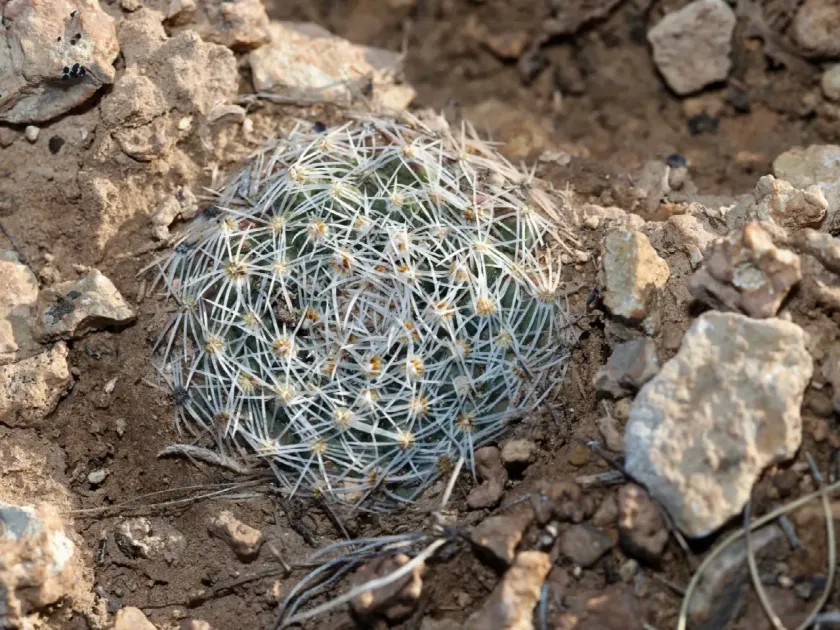
Description
Sowing dates
Sowing Pediocactus bradyi seeds requires a high level of patience and adherence to strict protocols for rare cactus cultivation. Seeds should be sown in a sterile, inorganic substrate to prevent fungal infections which are lethal to young seedlings.
Cold stratification is an essential step in the germination process, mimicking the natural winter cycles of the Colorado Plateau. Failure to provide this cold period often results in poor or non-existent germination rates.
The ideal sowing medium consists of crushed gravel, coarse sand, and a minimal amount of inert grit. Organic material like peat or humus should be avoided to minimize the risk of pathogen accumulation and moisture retention.
Seeds should be surface-sown or covered with a very thin layer of fine grit. Maintaining a consistently humid environment during the first few weeks is crucial, but it must be balanced with adequate ventilation to prevent "damping off" disease.
Seedlings develop very slowly and may take several years to reach a size where they can be considered mature. During this stage, extreme care must be taken during any potential transplanting to avoid damaging the delicate taproots.
Growing requirements
Pediocactus bradyi is a distinct species within the Cactaceae family, natively distributed in high-altitude desert environments. It is characterized by its compact, spherical shape and specialized taproot designed for drought survival.
Light intensity is the most critical environmental requirement for this species. To thrive in cultivation, these plants need maximum sunlight, preferably unobstructed, to maintain their natural, dense spination and avoid etiolation.
The soil must be highly mineral, offering exceptional drainage. A mix comprising pumice, limestone chips, and coarse sand is ideal, as the plant naturally grows in rocky, calcareous soils where water drains away almost instantly.
Watering must be strictly regulated and aligned with the plant's growth cycle. During the spring and early summer, light watering is permitted only when the substrate is completely dry. Any water stagnation will inevitably lead to root rot.
The dormancy period is vital for the health of Pediocactus bradyi. During winter, plants should be kept cool and absolutely dry, as this triggers the biological processes required for blooming in the following season.
Main diseases and pests
Root rot remains the primary threat to Pediocactus bradyi in cultivation. It is usually caused by excessive moisture levels combined with poor soil aeration, which prevents the roots from respiring properly and encourages decay.
Root mealybugs are a significant pest concern, often hiding within the substrate. Their presence can severely weaken the plant by feeding on the sap, and they often facilitate the entry of secondary fungal or bacterial infections.
Spider mites can become a nuisance if the plant is kept in excessively dry and stagnant air. These pests damage the epidermis, causing unsightly scarring that can permanently reduce the aesthetic value and vitality of the cactus.
Preventative care involves regular monitoring and the use of systemic insecticides if pest activity is detected. Given the slow growth rate of the plant, damage from these pests can take a long time to grow out.
Poor ventilation is an indirect threat that encourages the growth of various molds and pathogens on the soil surface. Maintaining a slight, constant breeze around the plants is essential for ensuring a healthy and disease-free collection.