
Pediocactus knowltonii
Pediocactus knowltonii
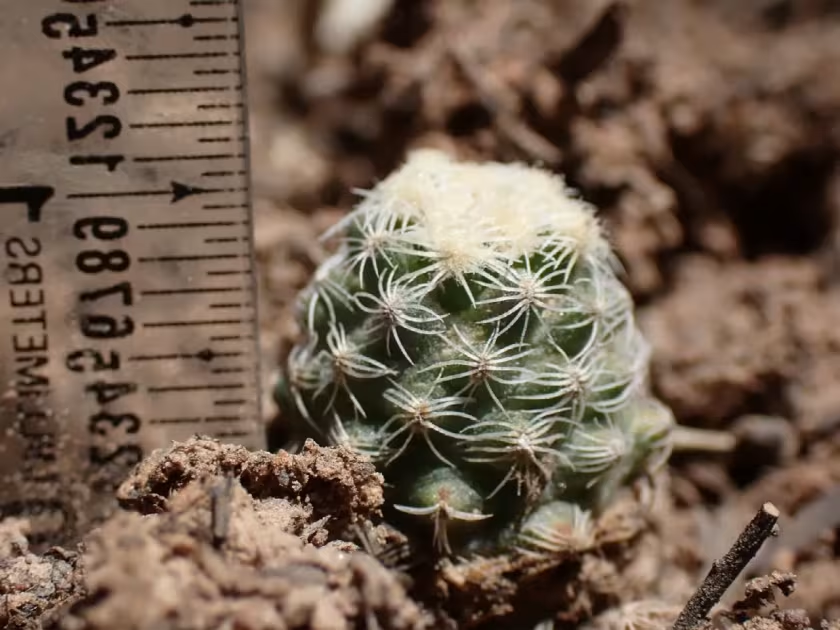
Description
Sowing dates
The sowing process for Pediocactus knowltonii requires precise timing, ideally during early spring to match the natural growing cycle of high-altitude species.
Seeds of this variety benefit significantly from cold stratification, which helps break dormancy and promotes a more uniform germination rate.
The seeding substrate must be extremely lean and porous, ideally composed of crushed granite, pumice, and a very small fraction of sandy loam.
After sowing, containers should be kept in a high-humidity environment with consistent temperatures between 15 and 20 degrees Celsius to encourage initial root development.
It is essential to gradually decrease the moisture level once germination occurs to prevent the development of damping-off diseases common in young seedlings.
Growing requirements
Pediocactus knowltonii is a distinct member of the Cactaceae family, native to specific high-desert regions of New Mexico and Colorado, where it grows in limestone soils.
In cultivation, this plant requires high light intensity and long periods of direct exposure to sunlight to maintain its compact, natural growth form and spine development.
Temperature control is crucial; the species requires a pronounced dormant period during winter, with temperatures dropping near freezing to ensure healthy growth in the next season.
The soil profile must be strictly mineral-based; any excess organic matter or peat will cause the plant to etiolate and become highly susceptible to rot.
Watering practices must be moderate, allowing the soil to dry out completely between sessions, as the species is highly adapted to arid, drought-prone environments.
Main diseases and pests
The primary concern for Pediocactus knowltonii is root rot, which typically occurs due to poor drainage or excessive soil moisture during cool weather conditions.
Spider mites are the most persistent pest in indoor environments, frequently attacking the plant when humidity levels are consistently low and ventilation is inadequate.
Mealybugs can also infest the crevices between the tubercles, requiring careful mechanical removal or the use of targeted systemic treatments.
To maintain plant health, it is recommended to maintain optimal airflow around the cactus, which discourages the growth of fungal pathogens that target the root collar.
Early identification of pest presence is vital, as the slow growth rate of this cactus makes it difficult for the plant to recover from significant tissue damage.