
Pereskiopsis
Pereskiopsis
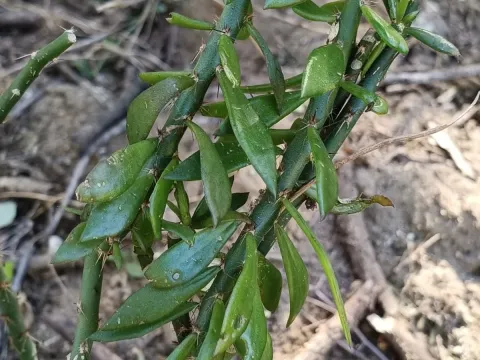
Pereskiopsis belongs to the Cactaceae family and is considered one of the most primitive members of this group. Unlike many other cacti, these plants possess fully developed leaves and are capable of rapid vegetative growth in tropical and subtropical environments.
What the section contains


Pereskiopsis
The native range of these plants includes Mexico and Central America. They thrive in well-drained, nutrient-rich soils and require high air humidity, which makes them perfectly suited for professional greenhouse cultivation and nursery propagation.
The culture requires consistent watering during the growing season; however, it cannot tolerate waterlogging, which quickly leads to root rot. To maintain active growth, the plant needs intense sunlight, although it can adapt to moderate partial shade if necessary.
The optimal temperature range for successful cultivation is between +20 and +30 degrees Celsius. Pereskiopsis is highly sensitive to cold weather: even short periods of low temperatures can cause leaf drop and a significant slowdown of metabolic processes.
The primary agricultural and horticultural use of Pereskiopsis is its application as a high-performance grafting stock. Due to its vigorous metabolism and rapid growth rate, it is widely used for grafting seedlings of rare and slow-growing cacti to accelerate their development into mature plants.
The most significant pests affecting Pereskiopsis are spider mites and mealybugs. Due to the presence of soft leaves, this culture is much more susceptible to these infestations compared to other cacti species, necessitating regular plant inspections.
Fungal diseases such as root rot and fusarium wilt typically occur under conditions of overwatering or poor ventilation. To maintain plant health, it is essential to use sterilized growth media and ensure proper air circulation throughout the growing area.