
Massonia
Massonia
Massonia is a genus of bulbous plants within the Asparagaceae family. Native to South Africa, these plants are well-adapted to arid environments, characterized by a distinct growth cycle linked to seasonal precipitation patterns.
What the section contains
 Massonia amoena
Massonia amoena
Massonia amoena
 Massonia angustifolia
Massonia angustifolia
Massonia angustifolia
 Massonia bifolia
Massonia bifolia
Massonia bifolia
 Massonia depressa
Massonia depressa
Massonia depressa
 Massonia dregei
Massonia dregei
Massonia dregei
 Massonia echinata
Massonia echinata
Massonia echinata
 Massonia gypsicola
Massonia gypsicola
Massonia gypsicola
 Massonia hirsuta
Massonia hirsuta
Massonia hirsuta
 Massonia jasminiflora
Massonia jasminiflora
Massonia jasminiflora
 Massonia longipes
Massonia longipes
Massonia longipes
 Massonia mimetica
Massonia mimetica
Massonia mimetica
 Massonia pustulata
Massonia pustulata
Massonia pustulata
 Massonia saniensis
Massonia saniensis
Massonia saniensis
 Massonia tenella
Massonia thunbergiana
Massonia thunbergiana
Massonia tenella
Massonia tenella
Massonia thunbergiana
Massonia thunbergiana
 Massonia triflora
Massonia triflora
Massonia triflora
Massonia
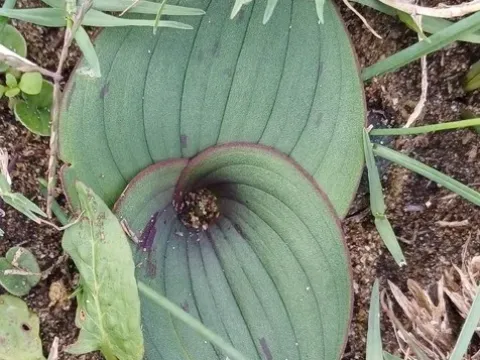
The plant is distinguished by its unique habit of producing only two broad, prostrate leaves that lie flat against the soil surface. This adaptation allows the plant to trap moisture and maximize exposure to light in harsh desert conditions.
Successful cultivation requires a well-draining, mineral-heavy substrate. A mixture of pumice, coarse sand, and a small amount of potting soil is ideal to prevent waterlogging, which is the primary cause of bulb failure.
Light requirements are high during the active growing season, which typically occurs in the cooler months. Providing bright, indirect light ensures the leaves remain compact, healthy, and vibrant in color.
Watering must follow a strict cycle: increase moisture during the vegetative phase when new leaves emerge, and cease watering entirely as the plant enters its summer dormancy period to avoid rotting the bulb.
Root and bulb rot remain the most significant threat to Massonia. Excess moisture in the soil, particularly during the dormant season, creates an environment where pathogens thrive, leading to the rapid decay of the bulb's basal plate.
Spider mites are common indoor pests that thrive in low-humidity environments. They cluster on the underside of the leaves, causing stippling and discolouration that weakens the plant's ability to photosynthesize effectively.
Mealybugs can also infest the plant, often hiding in the central crown between the two leaves. If left unchecked, these pests can stunt growth and introduce secondary fungal infections that spread throughout the plant tissue.
Prevention involves maintaining good airflow around the plant and inspecting the leaves regularly. It is crucial to ensure that no water sits in the central fold of the foliage, as this is a prime location for moisture-related diseases.
If treatment becomes necessary, use gentle horticultural soaps or systemic insecticides labeled for succulents. Always test any chemical treatment on a small portion of the leaf first to ensure it does not cause chemical burn on the delicate surface.