
Lily-hyacinth squill
Scilla liliohyacinthus
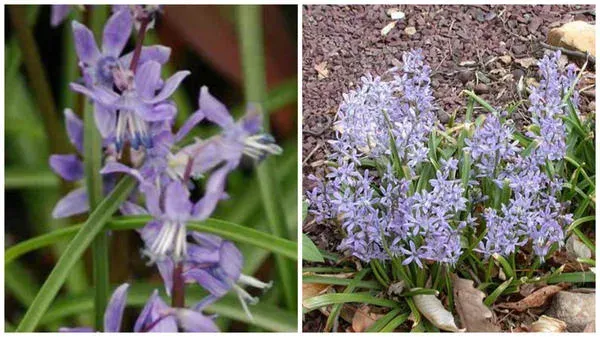
Description
Growing requirements
Scilla liliohyacinthus, known as the Lily-hyacinth squill, is a perennial bulbous plant belonging to the Asparagaceae family. Its common name stems from its distinctive, large, scaly bulbs that resemble those of true lilies, setting it apart from more common, smaller Scilla varieties.
Native to the mountain forests of Southwestern Europe, particularly the Pyrenees, this species is adapted to cool and moist habitats. When cultivated, it thrives best in environments that mimic these natural forest floor conditions, characterized by high humidity and dappled shade.
The plant requires fertile, well-draining soil that is rich in organic matter. A humus-rich loam provides the ideal nutrient balance. It is crucial to ensure that the site does not become waterlogged, as excessive standing water can lead to the rot of the sensitive bulb scales.
Light management is a key aspect of its agronomy. It should be planted in shady or semi-shady locations, avoiding exposure to intense direct sunlight which can scorch the foliage and shorten the blooming period. It is an excellent choice for woodland gardens or under deciduous trees.
Regular monitoring of soil moisture is necessary, especially during the growth phase in spring. Applying organic mulch, such as leaf mold, helps retain moisture, suppresses weeds, and protects the bulbs from harsh temperature fluctuations during winter dormancy.
Main diseases and pests
The primary threats to Scilla liliohyacinthus are fungal infections, particularly bulb rot and basal rot caused by poor soil drainage. These pathogens thrive in stagnant, wet conditions and can rapidly destroy the bulb structure if left unchecked.
Pests such as bulb mites and various nematodes can cause significant damage to the root system and bulb scales. These infestations often lead to stunted growth and yellowing of the leaves, eventually resulting in the decline of the plant colony.
Sanitation is the most effective preventative measure. All diseased plant material should be carefully removed and disposed of away from the garden beds to prevent the spread of spores. Using sterile tools and healthy planting stock is essential for long-term cultivation.
Adequate spacing between bulbs is important to ensure good airflow, which helps to keep the soil surface dry and discourages the growth of harmful molds. Avoiding excessive fertilization with nitrogen can also prevent soft, succulent growth that is more prone to pest attacks.
In cases of severe infestation, using specific soil-applied pesticides or fungicides may be necessary. However, integrated pest management approaches that prioritize biological control and habitat modification are generally preferred for this low-maintenance ornamental species.