
Massonia depressa
Massonia depressa
Description
Sowing dates
Massonia depressa is primarily propagated from seeds sown in late summer or early autumn. This timing aligns with the natural start of its growing season when temperatures begin to drop.
The seeds should be sown on a well-drained, gritty substrate. A mix consisting of equal parts river sand, perlite, and a small amount of fine potting soil is ideal for providing necessary aeration.
The seeds require light to germinate and should be placed on the surface of the soil with a very light dusting of sand. Keeping the pots in a spot with fluctuating but cool temperatures often mimics natural conditions.
Patience is essential during the germination stage, as seedlings may grow slowly. Providing consistent, gentle humidity during the first few weeks is crucial for early development.
Once seedlings have developed their second set of leaves, they can be carefully moved into individual small pots. Avoid deep pots, as these plants prefer shallow containers that allow the soil to dry out rapidly.
Growing requirements
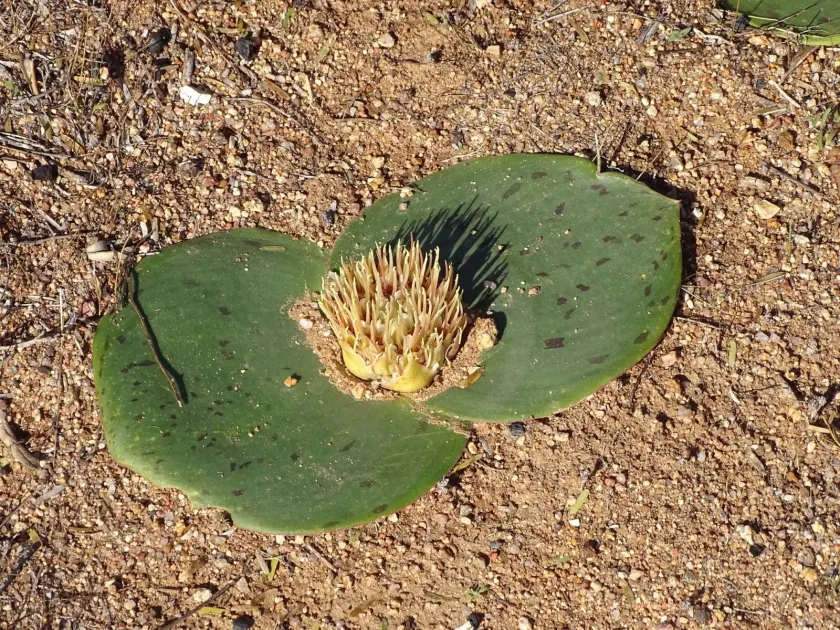
Massonia depressa is a fascinating member of the Asparagaceae family. Originating from South Africa, it is a winter-growing geophyte characterized by its two broad, fleshy leaves that lie flat against the ground.
This species requires bright, filtered light to maintain its compact growth form. In its native habitat, it grows in exposed areas, but in cultivation, it needs protection from harsh midday sun to prevent scorching.
The soil requirements are specific: the medium must be highly porous. Using commercial succulent mixes supplemented with extra pumice or coarse grit will ensure that water does not remain trapped around the bulb.
Watering should be deep but infrequent during the active growing season. Allow the soil to dry out almost completely between waterings to simulate the erratic rainfall of the Cape region.
A strict summer dormancy period is mandatory. Once the leaves turn yellow and dry, all watering must cease. The plant should be kept in a dry, cool area until the return of cool autumn weather.
Main diseases and pests
The most significant threat to Massonia depressa is fungal rot, which occurs if the soil remains damp for too long or if water accumulates between the fleshy leaves.
Mealybugs are the most common pests, often hiding in the crevices between the two leaves. Regular inspections and the use of soft brushes to clean the surface are effective control measures.
Poor ventilation can lead to the development of powdery mildew, especially if the plants are kept in crowded conditions. Ensuring adequate airflow is a simple way to maintain plant health.
Root rot is almost always fatal and is caused by overwatering during the dormancy phase. If the base of the bulb feels soft to the touch, the plant is likely beyond recovery.
Maintaining the correct cycle is vital for plant immunity. If the plant is forced to grow out of season due to excessive heat or water, it will become weak and highly susceptible to various pathogens.