
Massonia jasminiflora
Massonia jasminiflora
Description
Growing requirements
Massonia jasminiflora is a distinct bulbous species belonging to the Asparagaceae family. Native to the arid regions of South Africa, it has evolved to thrive in environments with seasonal rainfall patterns, making it a unique specimen for specialized botanical collections.
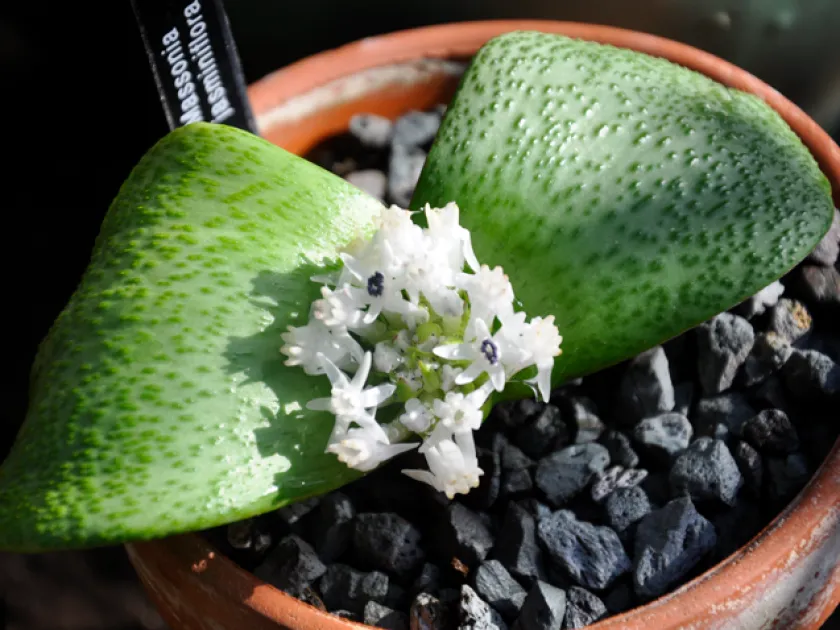
The plant is characterized by a distinctive habit of producing only two broad, prostrate leaves that lie flat against the soil surface. This morphological adaptation reduces transpiration and protects the growing point from extreme heat and desert winds during the dormant season.
Cultivation requires a highly porous, gritty substrate that mimics its natural habitat. Efficient drainage is paramount; even brief periods of waterlogging will cause the bulbous rootstock to decay, leading to irreversible plant loss in a very short timeframe.
Climate management is centered on providing a cool growing season, typically during the winter months. Temperatures should be kept between 10°C and 18°C to promote healthy foliage development and encourage the production of its characteristic, jasmine-scented inflorescences.
Proper agro-management involves keeping the plant completely dry during its summer dormancy. Watering should commence only when the first signs of autumn growth are visible, ensuring the medium is kept barely moist throughout the active growing cycle.
Main diseases and pests
Fungal pathogens are the most significant threat to Massonia jasminiflora, particularly root and bulb rot caused by excessive soil moisture. Utilizing sterile, fast-draining mineral mixes is the primary defense strategy against these infections.
Pests such as spider mites and mealybugs can pose a threat when the plant is grown indoors in low-humidity conditions. Early detection and the use of appropriate insecticidal soaps are usually sufficient to control localized infestations without systemic impact.
Poor ventilation can lead to the development of powdery mildew on the leaf surfaces, which diminishes the plant's aesthetic value. Ensuring adequate air circulation around the rosettes is crucial for preventing fungal outbreaks in greenhouse settings.
In rare instances, bulb mites may invade the root system, causing a general decline in the plant's vigor. Inspection of the bulbs during repotting is advised to ensure that the material is clean and free from hidden pests.
Maintaining a high standard of hygiene in the growing area is the best prevention against both pests and diseases. By avoiding the accumulation of decaying organic matter near the base of the plant, growers can significantly extend the lifespan of their specimens.