
Massonia triflora
Massonia triflora
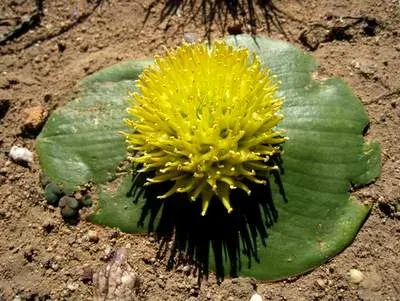
Description
Sowing dates
Massonia triflora is primarily propagated through seeds or by separating offset bulbs. Sowing is best performed in the autumn, immediately after the seeds have matured, as their viability decreases significantly over time.
Use a light, well-drained substrate consisting of sand, leaf mould, and perlite for sowing. Keep the containers in a cool environment, as this plant follows a winter growing cycle.
Seeds should be planted at a depth of no more than 0.5 cm to ensure successful germination. Maintain consistent, light moisture levels, but avoid waterlogging, which is detrimental to young seedlings.
Vegetative propagation via offsets is performed during the summer dormancy period when the foliage has completely died back. Carefully separating the offsets helps maintain genetic integrity and shortens the time to maturity.
Seedlings typically emerge within several weeks, but the plant will not reach the flowering stage until it is three to four years old.
Growing requirements
Massonia triflora belongs to the Asparagaceae family and is native to the regions of South Africa. The species has adapted to a Mediterranean climate with distinct, dry summers and cool, wet winters.
Successful cultivation requires bright, filtered light, while protecting the plant from harsh midday sun. The optimal temperature range for active growth is between +10 and +18 degrees Celsius.
The soil must have excellent drainage to prevent bulb rot during the dormant phase. Rocky, gritty soil mixes enriched with a small amount of organic leaf mould provide the necessary aeration and nutrition.
During the growing season, provide moderate water, which should be gradually withdrawn as the leaves begin to yellow. Excess moisture during the warm season often leads to the loss of the root system.
During the winter, ensure adequate air circulation to prevent the development of fungal infections often caused by stagnant, humid indoor air.
Main diseases and pests
Fungal infections, particularly root and basal rot, represent the most significant threat to Massonia triflora, usually triggered by overly moist soil conditions. These infections can destroy the bulb rapidly.
Common pests include mealybugs and spider mites, which thrive in low-humidity indoor environments. Routine inspection of the leaf surfaces is vital for early detection and mitigation of these pests.
Systemic insecticides are effective for pest control, provided they are applied according to specific dosage instructions to avoid damaging the sensitive plant tissues.
Disease prevention is centered on using sterile potting media and adhering to a strict watering schedule. If decay is detected, remove the affected area and treat the wound with a suitable antiseptic.
Failure to maintain appropriate temperature cycles during dormancy can weaken the plant, making it significantly more susceptible to secondary infections and physiological disorders.