
Massonia mimetica
Massonia mimetica
Description
Growing requirements
Massonia mimetica is a specialized bulbous plant belonging to the Asparagaceae family, native to the arid landscapes of South Africa. It is highly valued in botanical collections for its unique morphological adaptations that allow it to thrive in nutrient-poor and water-scarce environments.
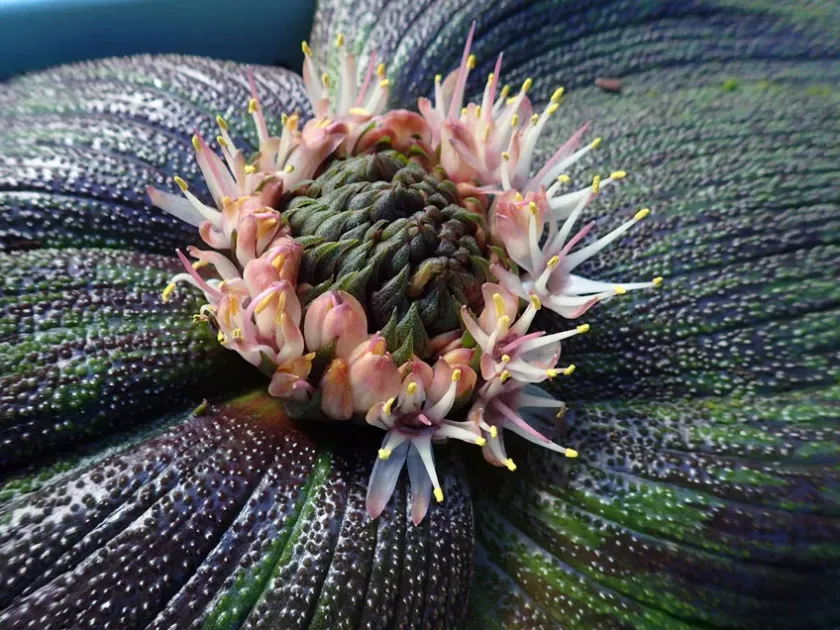
The plant is characterized by two distinctive prostrate leaves that lie flat against the soil surface, providing protection and thermal regulation for the underlying bulb. This specialized structure is an evolutionary response to intense sun exposure and wind.
Cultivation requires a highly porous, gritty substrate that facilitates rapid drainage. A mix comprising coarse sand, pumice, and a minimal amount of organic matter is ideal for replicating its natural soil conditions and preventing root suffocation.
Climatic requirements involve a strictly seasonal approach: the plant enters an active growth phase during cooler temperatures and requires a completely dry, dormant period during the hot summer months to prevent physiological stress.
While not a major agricultural crop, its study and propagation are significant for preserving biodiversity and understanding the survival mechanisms of geophytes within arid ecosystems.
Main diseases and pests
The primary threat to the health of Massonia mimetica is the development of fungal rot, specifically targeting the bulb when soil moisture levels are maintained incorrectly during dormancy.
Mealybugs represent a common pest threat, frequently hiding in the crevices between the foliage and the base of the plant, weakening the specimen by extracting sap.
Root system damage from soil-borne pathogens can lead to rapid decline, particularly if the substrate lacks adequate aeration or if sanitation protocols are neglected.
Prevention relies heavily on careful watering practices and ensuring that the substrate dries out completely according to the plant's seasonal cycle.
In cases of infestation, biological control or targeted mild systemic insecticides are preferred to avoid damaging the delicate tissues of this succulent species.