
Massonia pustulata
Massonia pustulata
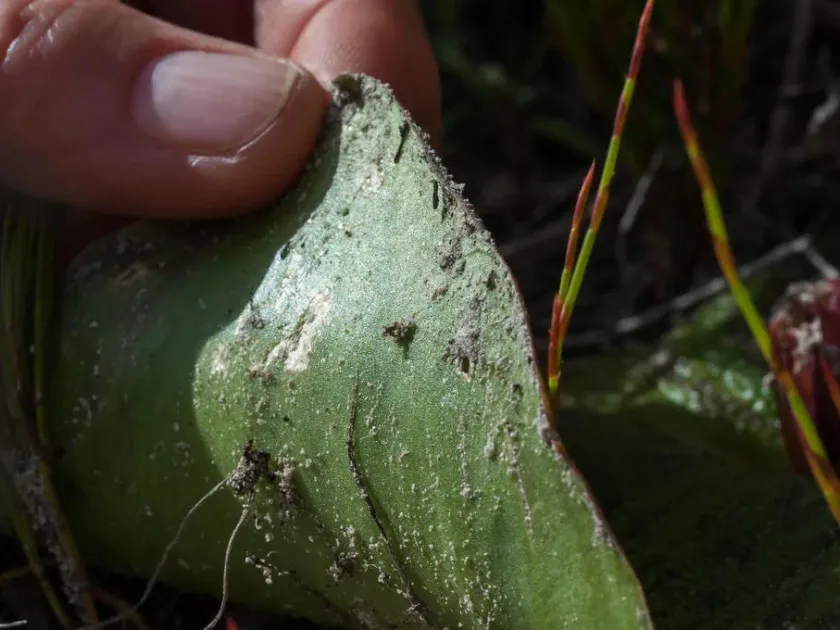
Description
Growing requirements
Massonia pustulata is a remarkable bulbous succulent species belonging to the Asparagaceae family. Native to the arid regions of South Africa, this plant has evolved to survive in challenging environments characterized by stony soils and scarce rainfall.
The plant is botanically distinct due to its growth form: it typically consists of only two fleshy, prostrate leaves that lie flat against the soil. The surface of these leaves is covered with prominent pustules or bumps, which gives the species its specific name and acts as a structural adaptation.
Cultivation requires careful attention to the soil medium. A highly permeable, well-draining mineral-based substrate is essential. Any water retention in the potting mix poses a severe risk of rot, which is the primary killer of this species in home collections.
The plant follows a strictly defined growth cycle that mimics its native Mediterranean-type climate. Active growth occurs during the cooler autumn and winter months, while a dry dormancy period is mandatory during the hot summer to ensure the bulb's health.
As a decorative crop, Massonia pustulata is highly sought after by succulent enthusiasts. It is valued for its unique architectural form and its late-season inflorescence, which produces clusters of fragrant, white, brush-like flowers that emerge low between the leaves.
Main diseases and pests
The main threats to Massonia pustulata are physiological disorders caused by poor agricultural practices. Specifically, overwatering during the summer dormancy period leads to fungal decay and the collapse of the bulb tissues.
Pests such as mealybugs represent a significant challenge for growers. These insects often nestle within the crevices of the pustular leaves or near the neck of the bulb, where they feed on sap and weaken the plant structure.
Spider mites are another common issue, particularly in indoor environments with low humidity. They can cause stippling on the leaf surfaces, leading to aesthetic damage and reduced photosynthetic capacity of the plant.
Integrated pest management is crucial for this species. This involves maintaining good air circulation, ensuring correct seasonal watering, and performing routine inspections to catch infestations at the earliest possible stage.
Chemical control should be applied with caution, utilizing systemic insecticides for persistent pests and broad-spectrum fungicides if fungal growth is detected on the roots. Maintaining a dry, cool resting period remains the best defense against major threats.