
Massonia longipes
Massonia longipes
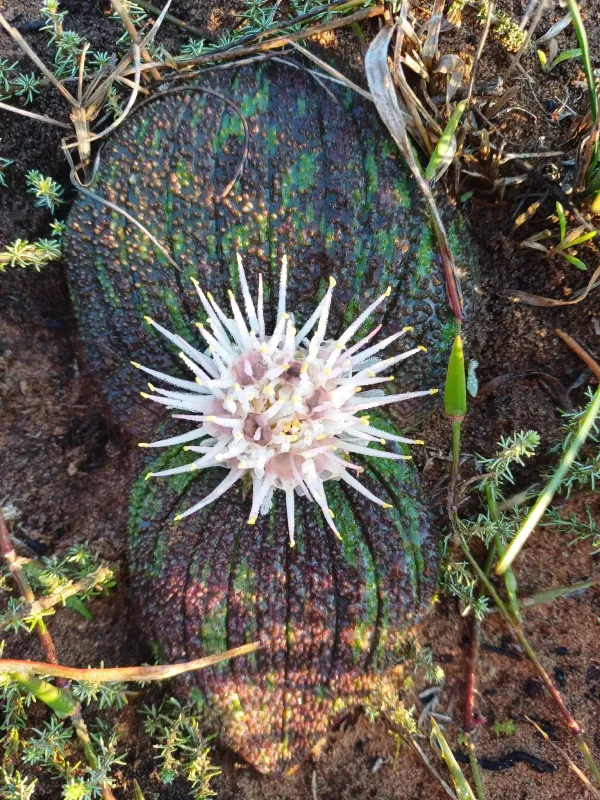
Description
Growing requirements
Massonia longipes is a bulbous plant belonging to the Asparagaceae family, native to the arid regions of Southern Africa. It is characterized by its distinct growth pattern, where two broad leaves lay flat against the soil surface to capture moisture and minimize evaporation.
Cultivation of this species requires a specific environmental approach that mimics its natural cycle of cool, wet winters and dry, dormant summers. Providing a well-draining substrate is the most critical factor to prevent the bulb from rotting during its inactive phase.
The ideal soil mix should consist of mineral components such as pumice, grit, and sandy loam. Organic matter should be kept to a minimum to ensure rapid drainage and prevent the proliferation of pathogenic bacteria within the rhizosphere.
Regarding light, Massonia longipes thrives in bright, filtered light. Direct scorching sun can damage the succulent-like leaves, while insufficient light leads to etiolation, which weakens the plant's overall structure and flowering potential.
Temperature management is crucial, particularly maintaining a cool environment during the growth phase. High heat often triggers the plant to enter dormancy early, shortening the display period of its unique, brush-like inflorescences.
Main diseases and pests
Fungal infections, specifically those affecting the basal plate of the bulb, represent the most significant threat to the survival of Massonia longipes. These are almost exclusively linked to overwatering in poorly aerated or high-humidity conditions.
Mealybugs are the most common insect pests associated with this crop. They tend to cluster in the sheltered area between the two leaves, making them difficult to detect until the plant shows signs of stunted growth or chlorosis.
Root aphids can also cause extensive damage by feeding on the root system. Using sterile substrate components during the repotting process helps mitigate the risk of introducing these subterranean pests into the growing environment.
Another issue to monitor is the development of physiological disorders due to uneven watering. Sudden changes in soil moisture can cause leaf tissue to crack or become susceptible to secondary bacterial rot.
Routine inspections of the leaf margins and the crown of the plant are essential for maintaining a healthy specimen. Swift intervention with appropriate biological or chemical treatments can save the bulb if a pest issue is identified early.