
Massonia angustifolia
Massonia angustifolia
Description
Growing requirements
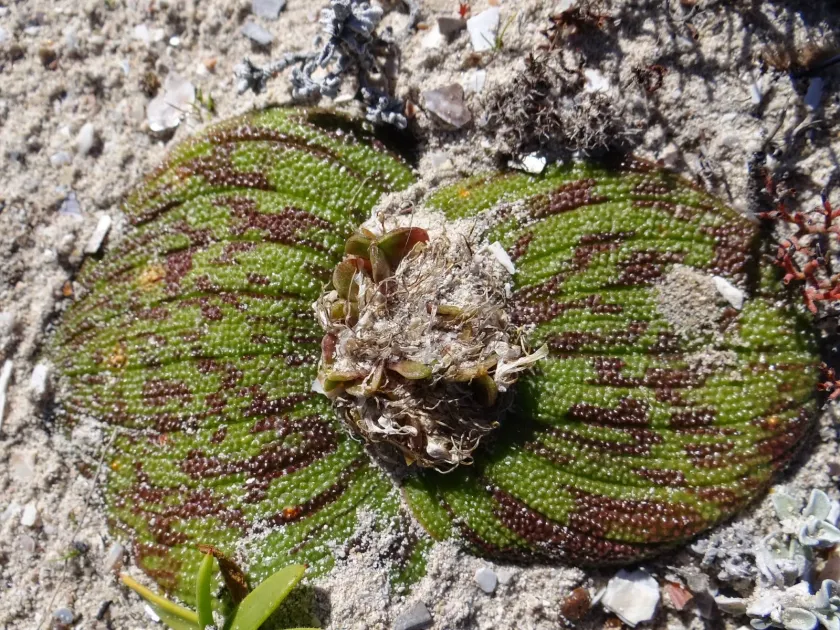
Massonia angustifolia is a distinct species of bulbous plant belonging to the Asparagaceae family. Native to the Cape region of South Africa, it is highly adapted to arid environments, characterized by its prostrate habit where two broad leaves lay flat against the substrate.
The plant exhibits a unique botanical architecture, featuring a central cluster of flowers situated between the two leaves. These flowers are highly specialized, often displaying long, prominent stamens that serve as the primary visual interest for botanical enthusiasts.
Optimal growing conditions require a gritty, well-draining mineral soil mix. As a succulent-like bulb, Massonia angustifolia thrives in environments that mimic its natural habitat, requiring high light intensity during its growth phase while remaining sheltered from excessive direct heat.
A strict seasonal management strategy is required for successful cultivation. During its active growth phase in winter, the plant requires consistent but moderate irrigation. Conversely, it must be kept completely dry during its summer dormancy period to ensure survival and future blooming.
The primary use of this crop is in specialized botanical collections and ornamental horticulture. It is not an agricultural commodity, but rather a collector's item prized by enthusiasts for its unique morphology and unusual biological rhythm.
Main diseases and pests
The most significant threat to Massonia angustifolia is the onset of fungal diseases caused by excessive moisture. Waterlogged substrate quickly destroys the bulb structure, often resulting in complete plant loss before symptoms become visible on the surface.
Pests such as mealybugs and spider mites are known to infest the plant during dry periods. These pests can cause significant tissue damage if left unchecked, potentially vectoring secondary bacterial infections into the damaged areas of the foliage.
Maintenance of an airy environment is crucial for preventing infections. Good ventilation reduces humidity around the foliage and prevents the establishment of molds and fungal pathogens that commonly thrive in stagnant, indoor gardening conditions.
If chemical intervention becomes necessary, only mild systemic insecticides should be used. It is imperative to check the sensitivity of the species before applying any treatments, as the bulbs may react poorly to certain concentrated chemicals.
Overall plant health is highly dependent on adhering to the correct dormancy cycle. Failure to provide a proper dry rest period often weakens the plant, making it significantly more susceptible to both abiotic and biotic stressors throughout the year.