
Lomandra
Lomandra
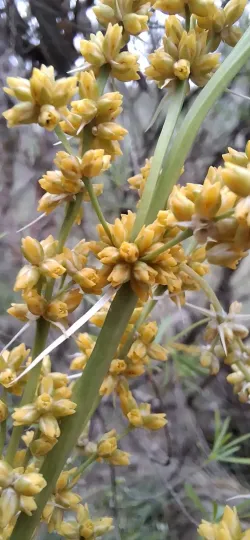
Description
Growing requirements
Lomandra is a genus of perennial herbaceous plants belonging to the Asparagaceae family. Originating from Australia, these plants are renowned for their incredible resilience in diverse environments ranging from arid deserts to coastal dunes.
The botanical structure of Lomandra is defined by its stiff, grass-like foliage that grows in dense tussocks. This morphology allows the plant to photosynthesize efficiently while minimizing water loss, which is a key adaptation to its native climate.
For successful cultivation, Lomandra requires well-draining soil. It is highly adaptable to various soil types, including sandy, loam, and gravelly substrates. However, it will not thrive in waterlogged conditions, which can lead to rapid root decay.
In terms of climate, Lomandra performs best in full sun to partial shade. It is exceptionally drought-tolerant once established and can withstand periods of intense heat that would kill many other ornamental grasses. Some species are frost-tolerant, though shelter may be needed in extreme cold.
Agronomic management is generally low-maintenance. Occasional pruning of dead leaves is recommended to maintain the aesthetic appeal of the plant. Fertilization is rarely needed, as the plant is adapted to naturally nutrient-poor soils.
Main diseases and pests
Lomandra is generally pest-free, but it remains susceptible to root pathogens when planted in heavy, clay-rich soils that retain too much moisture. Proper site preparation and drainage are the most effective preventative measures against fungal root issues.
Occasionally, scale insects or aphids may infest the leaf bases. If an infestation occurs, it should be managed with appropriate horticultural oils or insecticidal soaps, ensuring thorough coverage of the foliage.
Poor air circulation, often caused by overcrowding, can create a humid microclimate that encourages the growth of molds and mildews. Ensuring adequate spacing between plants is essential for maintaining a healthy and disease-free garden.
Mechanical damage from improper cultivation near the base of the plant can create entry points for soil-borne diseases. It is recommended to use organic mulch to suppress weeds rather than mechanical tilling.
The monitoring of leaf color and vigor is the best way to detect early signs of stress. Yellowing foliage often points to irrigation issues, while browning tips may indicate drought or poor soil drainage. Prompt correction of the environmental factor is usually sufficient to recover the plant.