
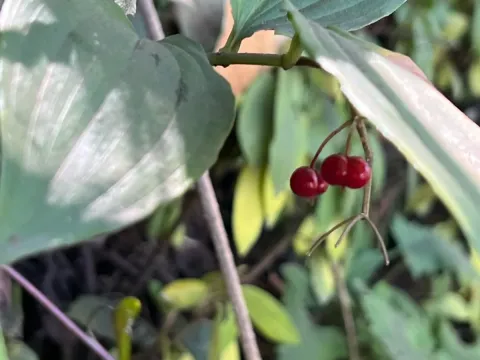
Maylily
Maianthemum
Maylily, known by the botanical name Maianthemum, is a perennial flowering plant that belongs to the Asparagaceae family. It is typically found in moist, shaded woodlands across the Northern Hemisphere.
What the section contains
 Canada mayflower
Maianthemum canadense
Canada mayflower
Maianthemum canadense
 False Solomon's seal
Maianthemum racemosum
False Solomon's seal
Maianthemum racemosum
 Japanese false lily of the valley
Maianthemum japonicum
Japanese false lily of the valley
Maianthemum japonicum
 Maianthemum dahuricum
Maianthemum dahuricum
Maianthemum dahuricum
 Maianthemum dilatatum
Maianthemum dilatatum
Maianthemum dilatatum
 Maianthemum fuscum
Maianthemum fuscum
Maianthemum fuscum
 May lily
Maianthemum bifolium
May lily
Maianthemum bifolium
 Three-leaved Solomon's seal
Maianthemum trifolium
Three-leaved Solomon's seal
Maianthemum trifolium
Maylily
The culture thrives in soil that is rich in organic matter, cool, and consistently moist. Providing an environment that mimics the natural forest floor, such as partial to full shade, is essential for optimal growth.
This plant possesses a creeping rhizome system that allows it to spread gradually. Soil acidity levels should ideally be slightly acidic to neutral to maintain the plant's health and vigor.
In terms of climate, Maylily is highly hardy and adapted to cold winter temperatures, entering a period of deep dormancy until the following spring.
Maintenance involves minimal disturbance of the soil surface to protect the shallow root systems, alongside consistent watering during the peak of the growing season to prevent leaf desiccation.
The most common issues affecting Maylily are fungal diseases, such as leaf spots and rhizome rot, which typically occur in poorly drained, waterlogged soil conditions.
Gastropods, including slugs and snails, are frequent pests that graze on the foliage. These pests are particularly active during cool, damp spring weather when the plant is just beginning to emerge.
Spider mites can become a problem in drier environments, causing the foliage to appear speckled or yellowed, eventually leading to reduced vigor if left untreated.
Competing weeds present a significant threat to the plant's establishment. Since the Maylily has a slow growth rate, intensive weed management is required during the first two seasons.
Effective management includes regular monitoring for early signs of infection or infestation and using integrated pest management strategies to keep the plant canopy healthy.