
Liriope
Liriope
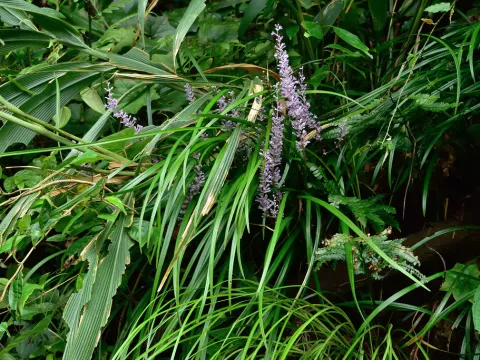
Liriope, commonly known as lilyturf, is a versatile perennial belonging to the Asparagaceae family. While it resembles a grass, it is actually a broad-leaved plant characterized by its clumping habit, arching foliage, and attractive spike-like flower clusters that appear in late summer.
What the section contains


Liriope
Originating from East Asia, specifically regions within China, Japan, and Vietnam, this plant has adapted to woodland environments. This heritage makes it an ideal candidate for shady spots in a garden where other sun-loving plants struggle to thrive, showcasing its botanical resilience.
The crop requires moist, well-drained soil rich in organic matter to reach its full potential. While it is quite tolerant of different soil types, including sandy or clay compositions, incorporating compost during planting significantly enhances the growth rate and overall vigor of the root system.
In terms of climate, Liriope is generally hardy in temperate zones. It prefers environments that do not experience extreme temperature fluctuations. Although it can tolerate some sun, excessive exposure to harsh afternoon rays can cause leaf tip burn, so positioning in dappled shade is recommended.
Maintenance is relatively low compared to other perennial crops. Annual care primarily involves trimming back old, winter-damaged foliage in early spring before new growth emerges. This ensures that the plant maintains its neat, mound-like appearance throughout the subsequent growing season.
Liriope is rarely bothered by serious diseases, but fungal issues like crown rot can occur if the plant is situated in waterlogged soil. Proper site selection and avoiding overly heavy irrigation are the best strategies to maintain plant health and prevent the development of pathogenic fungi.
In terms of pests, slugs and snails are the primary concern, particularly during damp spring months. These pests feed on the tender foliage, creating unsightly holes. Applying organic molluscicides or manual collection can help manage these populations effectively without disrupting the garden ecosystem.