
Milla
Milla
Milla is a genus of perennial bulbous plants belonging to the Asparagaceae family. Native primarily to the arid and mountainous regions of Mexico and the Southwestern United States, these plants have evolved to survive in areas with distinct dry and wet cycles.
What the section contains


Milla
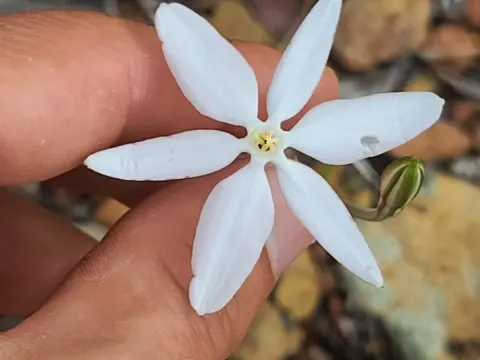
The botanical structure of Milla includes small, tunicated bulbs, grass-like leaves, and tall, slender flower stalks. The flowers typically form in umbels and are noted for their star-shaped or funnel-like appearance and sweet fragrance, attracting various pollinators.
For optimal growth, Milla requires well-draining, sandy-loam soil. Proper drainage is the most critical factor, as stagnant water in the root zone quickly leads to bulb rot, which is the primary cause of failure for novice gardeners attempting this culture.
The plant thrives in full sun exposure. While it prefers warm temperatures during the active vegetative season, it does not tolerate freezing temperatures, meaning that in colder climates, it must be treated as a tender bulb and lifted before winter.
In landscape design, Milla is highly valued for its elegant appearance. It is an excellent choice for rock gardens, container gardening, and border planting where its delicate features can be appreciated at close range throughout the blooming season.
Planting time for Milla bulbs is in the spring, once the threat of frost has passed and the soil has warmed. In most regions, this corresponds to late April or May, ensuring the bulbs are not exposed to cold, wet soil which can trigger dormancy or decay.
Bulbs should be planted at a depth of about 5 to 8 centimeters. It is advisable to space them approximately 10-15 centimeters apart to allow for proper airflow and to prevent the spread of soil-borne diseases during the growth season.
The most significant threats to Milla are fungal diseases, particularly Botrytis and root rot, which are exacerbated by high humidity and poor soil ventilation. Using fungicides and ensuring a well-draining site significantly reduces these risks.
Pests such as bulb mites and aphids can cause damage during the development phase. Regular monitoring is essential, and the application of appropriate biological or chemical controls should be employed if infestation symptoms appear early in the season.
Harvesting the bulbs for storage is necessary at the end of the growing season. Once the foliage turns yellow, it should be trimmed, and the bulbs carefully dug up, ensuring that the protective outer layers remain intact to prevent desiccation.
Clean bulbs must be dried thoroughly in a shaded, well-ventilated location for several days. Once dried, they should be stored in a cool, dry area at temperatures between 5 and 10 degrees Celsius to maintain dormancy until the following spring.