
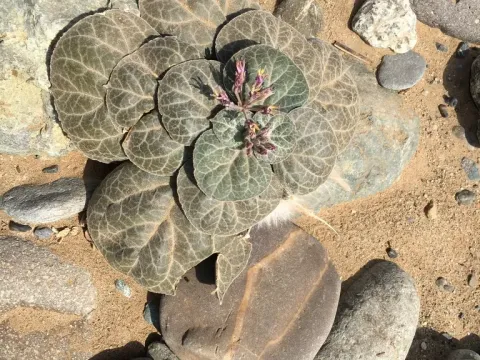
Cynanchum
Cynanchum
Cynanchum seeds require stratification for 30–60 days in cold conditions to break dormancy and ensure high germination rates. Sowing typically takes place in early spring once the risk of frost has passed.
What the section contains
 Cynanchum callialatum
Cynanchum caribaeum
Cynanchum caribaeum
Cynanchum callialatum
Cynanchum callialatum
Cynanchum caribaeum
Cynanchum caribaeum
 Cynanchum chinense
Cynanchum chinense
Cynanchum chinense
 Cynanchum ellipticum
Cynanchum ellipticum
Cynanchum ellipticum
 Cynanchum grandidieri
Cynanchum grandidieri
Cynanchum grandidieri
 Cynanchum insigne
Cynanchum insigne
Cynanchum insigne
 Cynanchum insipidum
Cynanchum insipidum
Cynanchum insipidum
 Cynanchum komarovii
Cynanchum komarovii
Cynanchum komarovii
 Cynanchum marnierianum
Cynanchum marnierianum
Cynanchum marnierianum
 Cynanchum maximoviczii
Cynanchum oresbium
Cynanchum oresbium
Cynanchum maximoviczii
Cynanchum maximoviczii
Cynanchum oresbium
Cynanchum oresbium
 Cynanchum pachycladon
Cynanchum pachycladon
Cynanchum pachycladon
 Cynanchum paniculatum
Cynanchum paniculatum
Cynanchum paniculatum
 Cynanchum perrieri
Cynanchum perrieri
Cynanchum perrieri
 Cynanchum rensoni
Cynanchum rensoni
Cynanchum rensoni
 Cynanchum rostellatum
Cynanchum rostellatum
Cynanchum rostellatum
 Cynanchum sauvallei
Cynanchum savannarum
Cynanchum savannarum
Cynanchum scoparium
Cynanchum scoparium
Cynanchum sauvallei
Cynanchum sauvallei
Cynanchum savannarum
Cynanchum savannarum
Cynanchum scoparium
Cynanchum scoparium
 Cynanchum thesioides
Cynanchum thesioides
Cynanchum thesioides
 Cynanchum toliari
Cynanchum toliari
Cynanchum toliari
 Cynanchum unifarium
Cynanchum unifarium
Cynanchum unifarium
 Cynanchum vanlessenii
Cynanchum vanlessenii
Cynanchum vanlessenii
 Sharp-leaved swallow-wort
Cynanchum acutum
Sharp-leaved swallow-wort
Cynanchum acutum
 Siberian swallow-wort
Cynanchum sibiricum
Siberian swallow-wort
Cynanchum sibiricum
Cynanchum
Vegetative propagation is widely practiced, involving the division of mature rhizomes. This method allows for faster establishment and is usually performed in either early spring or late autumn.
When sowing in open fields, seeds should be placed at a depth of 1–2 cm. The soil must be kept consistently moist but not waterlogged until seedlings appear, which typically takes a few weeks.
Proper plant spacing is essential for air circulation and growth. Maintaining a distance of at least 40–50 cm between individual plants helps prevent overcrowding and reduces the competition for nutrients.
Selecting the right site is crucial, as the crop requires full sun or partial shade, depending on the specific species being cultivated for commercial purposes.
Cynanchum belongs to the Apocynaceae family and comprises various perennial herbs and subshrubs. The plant is adaptable to a variety of climates, spanning from temperate to subtropical regions.
The ideal soil type is a fertile, well-drained loam. High organic matter content significantly boosts plant vigor and yields. Soil pH should ideally be near neutral to slightly alkaline for optimal nutrient uptake.
Water requirements vary based on the growth stage, with consistent moisture needed during the initial establishment phase. Once mature, many species demonstrate moderate drought tolerance.
Maintenance involves regular weeding and inter-row cultivation. Keeping the area free of weeds is vital during the first two years of the plant's life to ensure it captures enough solar energy.
While the plant is relatively hardy, protection during the coldest winter months is recommended in northern regions to prevent rhizome damage and ensure robust spring regrowth.
Crop yields for Cynanchum depend heavily on the maturity of the plantation. The first significant harvest of biomass is usually achieved in the second or third year after planting.
The concentration of beneficial phytochemicals is the primary factor in determining the economic value of the harvest. Farmers often optimize their methods to maximize secondary metabolite production.
By implementing proper fertilization regimes and maintaining healthy soil structure, growers can significantly increase the total harvest weight per hectare.
Seed production is another potential output, with mature plants producing viable seeds that can be collected for future sowing or commercial distribution.
Regular harvesting cycles are essential for maintaining plantation productivity, as excessive aging of the plants can sometimes lead to reduced growth vigor over time.
Fungal diseases, such as powdery mildew, are the most common threats in damp conditions. Proper spacing and airflow are the best preventive measures to manage these pathogens.
Pests like aphids and spider mites can infest the foliage, particularly during warm and dry periods. Early detection is key to managing these infestations before they spread.
Integrated Pest Management (IPM) strategies, including the use of neem oil or biological controls, are preferred to maintain the quality of the harvested botanical material.
Crop rotation should be practiced to prevent soil-borne diseases. Avoiding monoculture in the same plot for more than five years is a standard practice to maintain soil health.
Monitoring the foliage for discoloration or distorted growth is a necessary part of the daily field inspection routine to ensure early intervention.
Harvesting should be timed to coincide with the peak flowering period, which is when the plant's phytochemical content is most concentrated and biologically active.
Mechanical harvesting equipment is often used for large-scale operations. The stems are cut close to the ground, and the biomass is gathered for immediate drying and processing.
Proper post-harvest handling is critical, as the harvested material must be dried at controlled temperatures (below 45°C) to prevent the degradation of heat-sensitive compounds.
Once dried, the product should be stored in a cool, dark, and moisture-free environment to preserve its pharmaceutical and technical qualities for as long as possible.
For operations targeting the rhizomes, the harvest usually occurs at the end of the growing season, involving mechanical digging and subsequent cleaning to remove soil and impurities.