
Cynanchum komarovii
Cynanchum komarovii
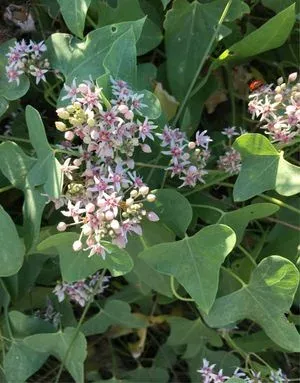
Description
Sowing dates
Cynanchum komarovii is a perennial herbaceous plant belonging to the Apocynaceae family. This species is recognized for its ability to thrive in arid climates, making it a valuable candidate for agriculture in semi-desert regions.
Botanically, the plant features a robust root system adapted for water extraction from deep soil layers. Its stems are primarily upright, which facilitates mechanical harvesting and efficient management in field conditions.
Propagation is typically achieved through seeds or vegetative division of rhizomes. Sowing is best performed in early spring once soil temperatures are consistently above 10-12 degrees Celsius to ensure uniform germination.
Seeds should be sown at a depth of 2-3 centimeters depending on the soil moisture profile. Optimal plant density is crucial for maximizing biomass yield, usually ranging between 100,000 to 150,000 plants per hectare.
The first year of growth is characterized by a relatively slow establishment phase. During this period, effective weed control is essential to ensure that the young seedlings are not outcompeted for vital soil resources.
Growing requirements
The crop prefers light sandy or loamy soils that provide excellent aeration. It is notably tolerant to saline soil conditions, which makes it an ideal option for reclaiming degraded or marginal land in arid territories.
Full sun exposure is a mandatory requirement for the development of this species. High light intensity is directly linked to the rate of photosynthesis and the overall accumulation of dry matter in the stalks.
While the plant is a xerophyte capable of enduring long drought periods, supplemental irrigation during the peak growing season can significantly boost biomass production and final yield quality.
Optimal temperatures for active vegetative growth range from 20 to 30 degrees Celsius. The plant is well-adapted to the high diurnal temperature fluctuations often found in continental and steppe climates.
Fertilization management should focus on nitrogen and phosphorus applications to support root development and stalk maturation. Soil health can be enhanced by incorporating organic matter prior to the initial planting.
Yield
The primary economic value of Cynanchum komarovii lies in its stalks, which serve as a source of high-quality bast fiber. Yield typically matures by the third year, providing a steady supply of industrial raw material.
The fiber extracted from this plant is suitable for various applications in the textile and paper industries. Proper harvesting timing is essential to ensure the desired physical properties of the fiber are maintained.
Beyond fiber, the biomass can be utilized in cellulose production or as a potential feedstock for bioenergy processes. Its productivity makes it a competitive crop for farmers in challenging climatic zones.
The species also plays a significant role in soil conservation by stabilizing sand dunes and preventing wind erosion. This secondary benefit adds to its overall value in ecological and agricultural planning.
Seed production is a secondary economic objective. Harvested seeds are cleaned and dried to maintain high viability for the next planting season, ensuring the long-term sustainability of the plantation.
Main diseases and pests
Cynanchum komarovii is generally robust, but high soil moisture levels can predispose the plant to root rot caused by fungal pathogens such as Fusarium. Adequate drainage is the best preventative measure.
Sucking insects, including aphids and spider mites, are the most frequent pests. These organisms can diminish the photosynthetic surface area if left uncontrolled, negatively impacting the total biomass yield.
Maintaining a strict crop rotation schedule helps reduce the buildup of soil-borne diseases. Avoiding fields previously planted with other Apocynaceae species is recommended to prevent common pathogen transmission.
Chemical control measures should be applied only when economic injury thresholds are reached. Integrated pest management strategies are preferred to minimize the environmental footprint of the agricultural operation.
Using fungicide-treated seeds can provide a strong start for the crop, protecting young plants during the most vulnerable phases of their development and ensuring a uniform stand across the field.
Harvesting
Harvesting should occur during the full flowering phase when fiber content and quality are at their peak. Delaying the harvest can result in lignification, which complicates industrial processing and reduces fiber quality.
Mechanical harvesting with specialized cutters is the standard approach. The cutting height should be adjusted to clear the ground without damaging the plant's regenerative parts or the crown of the rhizomes.
After cutting, the stalks are usually left in the field for a brief curing period to reduce moisture content. This step is critical for preventing spoilage and mold development during storage.
Seed harvesting is conducted when the seed pods reach full maturity but before they naturally dehisce. Careful timing is necessary to minimize harvest losses caused by premature pod shattering.
Storage facilities should be dry and well-ventilated to preserve the chemical and physical characteristics of the fiber. Proper logistics ensure the material retains its market value throughout the storage period.