
Cynanchum insigne
Cynanchum insigne
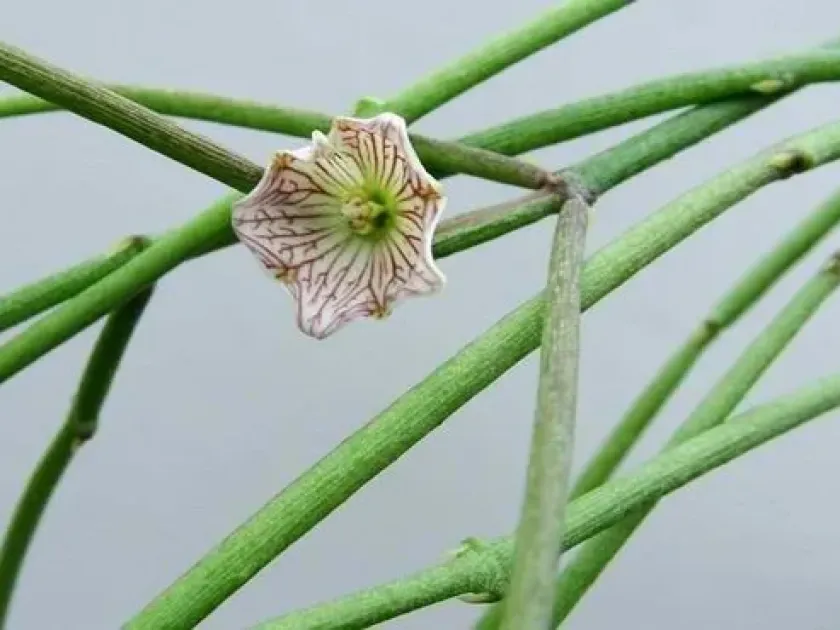
Description
Growing requirements
Cynanchum insigne is a remarkable species belonging to the Apocynaceae family, specifically the Asclepiadoideae subfamily. It is known for its distinct botanical structure, which often exhibits climbing or trailing habits, making it an interesting subject for specialized agricultural cultivation.
Originating primarily from South African habitats, this plant has evolved to thrive in environments with specific seasonal patterns. It is typically found in rocky or arid regions, which indicates its high tolerance for nutrient-poor soils and intermittent water availability.
For successful cultivation, Cynanchum insigne requires a high degree of solar exposure and a growing medium with excellent drainage properties. Growers should prioritize mineral-heavy substrates, such as sandy or gritty mixes, to ensure that the roots do not sit in saturated soil.
Climate management is crucial, as this species is highly sensitive to cold and frost. In temperate zones, it is strictly an indoor or greenhouse plant, requiring warmth throughout the year to maintain its metabolic functions and growth cycle.
Proper agricultural practice involves a disciplined watering schedule that mimics the plant's natural dormant periods. Overwatering is the most common mistake made by new growers; therefore, allowing the substrate to dry out between watering cycles is essential for plant health.
Main diseases and pests
Root rot is the most devastating disease for Cynanchum insigne, typically triggered by poor drainage or excessive irrigation. Once the root system begins to decay, recovery is challenging, making prevention through moisture control the most effective management strategy.
Spider mites are a persistent threat in greenhouse settings, flourishing in dry and warm microclimates. These pests cause chlorosis and damage to the leaves by piercing the epidermis and draining plant fluids, which significantly stunts growth.
Aphids pose a regular risk to the soft, developing tips of the vines. Their presence often leads to the accumulation of honeydew, which can subsequently attract sooty mold, further degrading the health and aesthetic quality of the specimen.
Mealybugs are known to colonize the axils of leaves and stems, hidden from view until the infestation becomes severe. Regular monitoring and physical removal, or the use of systemic insecticides, are required to keep populations under control.
Fungal leaf spots may appear if humidity levels remain too high without adequate air circulation. Ensuring a constant flow of fresh air within the cultivation space is the primary defense against bacterial and fungal proliferation on the plant's foliage.