
Cynanchum vanlessenii
Cynanchum vanlessenii
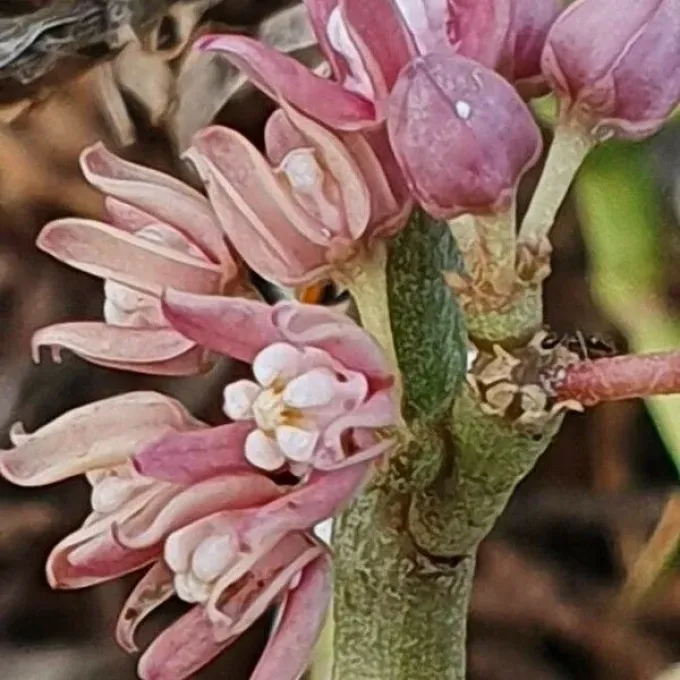
Description
Growing requirements
Cynanchum vanlessenii is a distinctive perennial plant species belonging to the Apocynaceae family. It is recognized for its unique physiological adaptations, which allow it to thrive in arid environments, functioning often as a succulent or a climbing vine depending on the local conditions.
Originating from specific regions in Africa, the plant is naturally adapted to poor, rocky, or sandy substrates. In a controlled cultivation setting, it is essential to replicate these environmental conditions by providing a highly porous soil mix that ensures rapid water drainage and prevents root saturation.
The plant requires full sun exposure to maintain its compact growth form and prevent etiolation. It thrives in warm temperatures and requires distinct periods of rest, usually during the cooler months, where water supply should be significantly reduced or completely suspended.
Botanically, Cynanchum vanlessenii exhibits specialized storage organs within its root system. These structures allow the plant to survive prolonged droughts by sequestering water and carbohydrates. The foliage is typically coriaceous, protecting the plant from excessive transpirational loss.
From a хозяйственное standpoint, the species is of high interest for phytochemical research. Members of the Cynanchum genus are known to produce various secondary metabolites, including steroids and alkaloids, which hold potential for medical and biotechnological applications.
Main diseases and pests
The most significant threat to the health of this crop is root rot caused by stagnant water or excessively humid substrates. Implementing a strict irrigation protocol that allows the soil to dry out completely between waterings is the primary defense strategy against these pathogens.
Common horticultural pests, including mealybugs and spider mites, are frequent threats in low-humidity environments. Integrated pest management, including the introduction of natural predators or the application of horticultural oils, is recommended to keep pest populations at bay without damaging the plant tissue.