
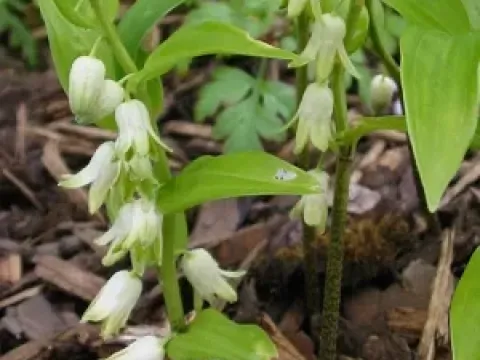
Disporopsis
Disporopsis Hance
Disporopsis (Disporopsis Hance) is a genus of rhizomatous perennial plants belonging to the Asparagaceae family. Naturally, these plants are found in the forest understories of East Asia, particularly within China and Vietnam.
What the section contains

Disporopsis
The plant is highly valued in ornamental gardening for its shade tolerance. It thrives in filtered light or full shade environments, making it an excellent candidate for woodland gardens where high sunlight intensity is absent.
Cultivation requires soil that is rich in organic matter, well-draining, and consistently moist. Adding leaf mold or compost during planting significantly enhances the growth rate and overall health of the rhizomes.
Water management is critical for this crop. While it needs regular irrigation, it cannot withstand waterlogged conditions, which can lead to rapid decay of the fleshy root systems. A light mulch layer is recommended to stabilize soil moisture.
In terms of temperature, Disporopsis is adapted to temperate climates. In colder regions, providing a protective layer of mulch during winter is essential to prevent deep soil freezing and ensure the survival of the rhizomes until spring.
The primary agronomic threat to Disporopsis is the development of fungal rot. This usually occurs when the plants are grown in heavy, poorly drained soils or when irrigation frequency exceeds the plant's actual water requirements.
Slugs and snails represent the most significant pest concern. These mollusks are attracted to the succulent, shade-loving nature of the foliage and can quickly degrade the aesthetic value of the plants by feeding on leaves and young stems.
Aphids can occasionally colonize the new growth during the spring flush. Their presence can stunt growth and cause leaf curling, necessitating mechanical removal or the use of mild horticultural soaps.
Proper spacing between plants is a crucial preventive measure. Ensuring adequate air circulation helps keep the foliage dry and reduces the likelihood of leaf spot diseases caused by high humidity and trapped moisture.
Sanitation practices are strongly recommended. Regularly clearing away dead plant debris reduces the overwintering sites for both pests and fungal spores, promoting a healthier growing environment for the next season.