
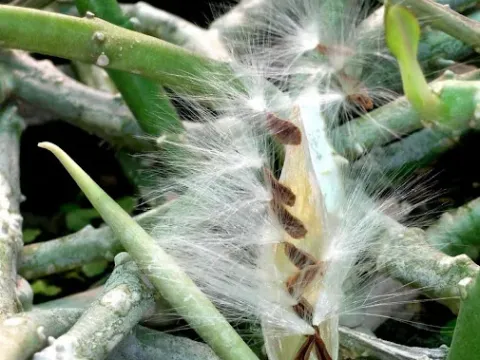
Desmidorchis
Desmidorchis
Desmidorchis is a genus of succulent plants belonging to the Apocynaceae family, specifically the subfamily Asclepiadoideae. These plants are characterized by their fleshy, ribbed stems that have evolved to store water, allowing them to survive in the harsh, arid environments of Africa and the Arabian Peninsula.
What the section contains

Desmidorchis
To cultivate Desmidorchis successfully, it is essential to provide an environment that mimics their natural desert habitat. This means a high level of sunlight exposure is required, as insufficient light will lead to stretched, weak stems that lack the typical resilience of the species.
The growing medium must be highly porous and inorganic. A mixture composed primarily of coarse sand, pumice, and minimal amounts of sandy soil is optimal. This ensures that water drains away quickly, preventing the stagnation that can be fatal to these succulent stems.
Temperature control is another vital aspect of their care. While they thrive in warm, sunny conditions during the active growing season, they require a distinct dry period in winter. Lower temperatures during dormancy help trigger the plant's natural metabolic slowing, which is essential for future flowering.
Watering should be executed with caution, strictly following the principle of dry soil between irrigation cycles. Overwatering is the most common cause of failure in domestic cultivation, as it quickly destabilizes the delicate balance of the root system.
The primary threat to the health of Desmidorchis is root and stem rot, typically caused by water accumulation within the substrate or high humidity levels. Once rot establishes itself in the succulent tissue, it can spread rapidly, often rendering the specimen unsalvageable.
Mealybugs are the most common insect pests that plague this genus. They tend to hide in the grooves of the stems and at the base of flowers, feeding on the plant's sap. Regular inspection and the use of appropriate contact or systemic insecticides are recommended.
Spider mites can also become an issue in environments with low airflow and overly dry conditions. These pests can cause discoloration and tissue scarring, which detracts from the plant's appearance and health.
Bacterial spots may appear if the plant is subjected to poor air circulation coupled with damp conditions. Affected areas should be treated by removing the damaged tissue with a sterilized blade and applying a desiccant or fungicide to the wound.
Effective management of these threats relies on preventive measures, primarily by maintaining strict irrigation control and ensuring a clean, well-ventilated space for the plants to grow.