
Cynanchum rensoni
Cynanchum rensoni
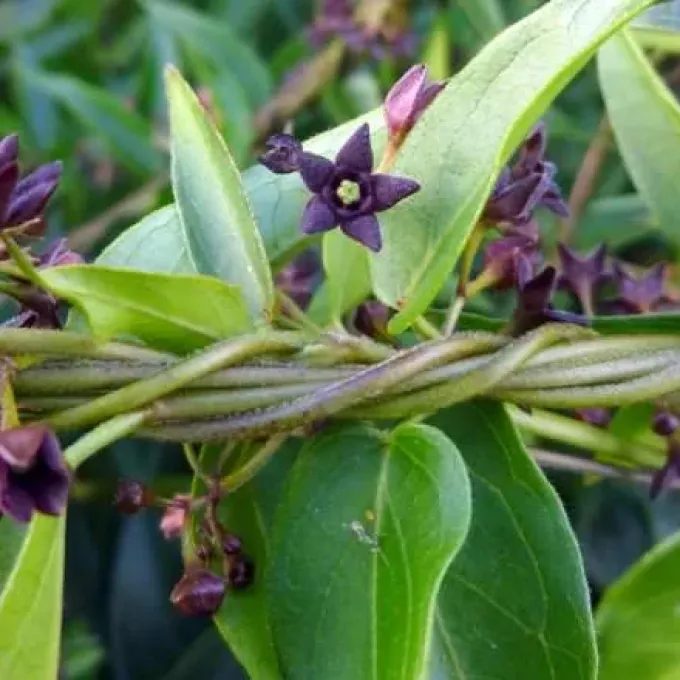
Description
Growing requirements
Cynanchum rensoni is a perennial herbaceous plant belonging to the Apocynaceae family. It is recognized for its significant ecological adaptability within tropical climates and regions.
The plant performs best in well-drained soils with a neutral to slightly acidic pH level. It demonstrates exceptional resilience to drought, making it a viable candidate for cultivation in areas with seasonal rainfall patterns.
Optimal development requires high solar radiation, as shade inhibits growth rates and reduces biomass production. Exposure to direct sunlight is essential for achieving the crop's full biological potential.
Temperature requirements are centered around a warm climate, with an ideal range of 22 to 30 degrees Celsius. The crop is strictly frost-sensitive and requires stable, warm conditions for vegetative growth.
The crop does not tolerate waterlogging; therefore, selecting sites with natural slopes or implementing artificial drainage systems is a critical prerequisite for healthy root development.
Yield
The agricultural value of this crop is primarily derived from its high biomass yield. It is capable of rapid regrowth after harvesting, allowing for multiple cuttings per growing season under favorable moisture levels.
Productivity is highly influenced by fertility management, specifically the application of nitrogenous fertilizers. Proper nutrient cycles ensure the steady accumulation of plant tissue.
Biological features allow for efficient energy conversion, which is crucial for high-density planting. Managing the spatial arrangement of the plants significantly influences the total yield per hectare.
Strategic harvesting timing is essential, as the chemical composition of the biomass shifts during the transition from vegetative to reproductive growth stages.
Consistent monitoring of growth cycles helps in maximizing the harvest, ensuring that the plant maintains its high nutritional value throughout the year.
Main diseases and pests
Leaf-eating pests, particularly lepidopteran larvae, pose the most significant threat to the foliage. Regular field inspections are necessary to mitigate large-scale insect infestations.
Fungal diseases tend to flourish in conditions of excessive humidity and poor air circulation, often targeting the stems and root collars of the plants.
Root rot is a common issue linked to poor soil aeration and water accumulation. Maintaining soil structure and proper drainage is the primary defense strategy against these pathogens.
Sucking insects, such as aphids and whiteflies, can weaken the plant by feeding on sap during hot, dry spells. Integrated pest management, including biological controls, is recommended.
Weed management during the early establishment phase is vital, as the crop is vulnerable to competition from aggressive grasses and fast-growing opportunistic plants.