
Cynanchum paniculatum
Cynanchum paniculatum
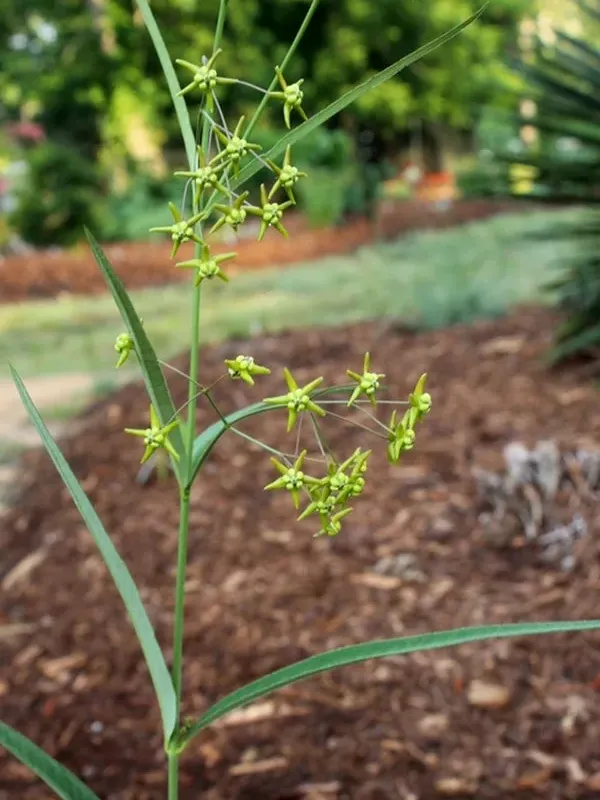
Description
Sowing dates
Sowing of Cynanchum paniculatum seeds is primarily carried out in spring when the soil warms up to 12–15 degrees Celsius. To ensure uniform germination, seeds require a period of stratification for 30–60 days under cool conditions.
In commercial cultivation, both direct seeding and transplanting from nursery-grown seedlings are practiced to achieve consistent plant density. Seeds are sown at a depth of no more than 1–2 centimeters, ensuring constant soil moisture until germination occurs.
Row spacing should be at least 50–60 centimeters to provide enough space for the plant's robust root system to develop. As the plants grow, they should be thinned to leave the strongest specimens at intervals of approximately 30 centimeters.
In regions with a prolonged spring, the use of plastic tunnels or greenhouses is recommended to accelerate the germination process. The optimal period for transplanting seedlings into open fields begins in late May once the threat of night frosts has passed.
Selecting the right plot during the sowing stage is critical for long-term productivity, as Cynanchum is a perennial plant that does not tolerate frequent transplanting well.
Growing requirements
Cynanchum paniculatum, belonging to the Apocynaceae family, prefers open, sunny areas with light, well-drained soils. The plant shows high adaptability, but thrives best in sandy loam or fertile loamy substrates with a neutral or slightly acidic pH level.
The crop has moderate water requirements: regular irrigation is essential during the active growth phase, but waterlogging in the root zone can be detrimental. It is crucial to avoid low-lying areas with high groundwater levels.
The plant exhibits good winter hardiness in temperate climates, allowing it to be grown in various agro-climatic zones. It is capable of enduring short periods of drought due to its deep root system, which accesses moisture from lower soil horizons.
For intensive biomass production during the spring-summer season, fertilization with nitrogen and phosphorus is required. In nutrient-poor soils, incorporating organic matter through deep tillage is a prerequisite for high-quality raw material yield.
In the wild and during introduction, Cynanchum can behave as an invasive species capable of rapidly colonizing new territories, so careful management of the plot area is necessary during cultivation.
Yield
The yield of the above-ground part (herb) of Cynanchum paniculatum depends on the age of the plantation and the quality of agronomic care. Maximum biomass indicators are achieved in the 3rd and 4th years of growth when the plant has fully developed its generative organs.
Average raw material productivity ranges from 15 to 25 centners per hectare in dry form, provided planting density is optimal. Root yields, often used for pharmaceutical purposes, are assessed after at least four years of cultivation.
Regular weeding and inter-row cultivation help increase marketable output by reducing competition from invasive weeds. Optimizing mineral nutrition can increase dry matter yield by 15–20 percent compared to non-fertilized control plots.
To evaluate potential yield on a specific site, it is recommended to perform test harvests on small plots at the beginning of the flowering stage. Yield losses can be minimized through timely harvesting, which prevents over-drying and leaf shedding.
The general biological productivity of this species makes it a promising technical and medicinal crop for use in the pharmacopoeia of East Asian countries.
Main diseases and pests
Primary threats during the cultivation of Cynanchum paniculatum include fungal infections such as root rot, which typically occurs under poor water management. Excess humidity combined with low temperatures often leads to the growth of pathogenic microflora.
The plant can be attacked by aphids, which feed on young shoots and inflorescences, thereby weakening the plant's growth. Timely application of biological insecticides effectively controls pest populations without accumulating harmful residues in the plant material.
Powdery mildew also poses a risk during years with high humidity and poor air circulation. Preventive treatments with copper-based fungicides at the beginning of the growing season are highly recommended.
Root-knot nematodes are difficult to eradicate and can significantly reduce yields on infested plots. Practicing crop rotation and avoiding the same plot for the next 5–7 years helps prevent widespread contamination.
Weed pressure during the early stages of development can become a critical factor hindering Cynanchum growth, making weed management a top priority for the agronomist in the first year of the plant's life cycle.
Harvesting
Harvesting of the above-ground part is conducted during the mass flowering period, when the concentration of biologically active compounds reaches its peak. At this stage, the herb possesses the best quality characteristics for subsequent drying.
Stems are cut at a height of 5–10 centimeters above the soil surface using mechanized mowers. It is important to prevent soil contamination of the raw material, as this reduces market value and complicates the cleaning process.
Collected material is dried in well-ventilated rooms or specialized industrial dryers at temperatures not exceeding 45 degrees Celsius. Overheating the material leads to the loss of essential oils and other volatile compounds that contribute to its medicinal value.
Cynanchum rhizomes are harvested in the autumn, after the growing season ends and nutrients have translocated to the underground organs. They are washed in cold water, cut into sections, and dried until they become brittle.
Finished raw material should be stored in dry, light-protected areas using sealed bags or paper packaging. Under proper storage conditions, the biological activity of the raw material is maintained for up to two years.