
Cynanchum thesioides
Cynanchum thesioides
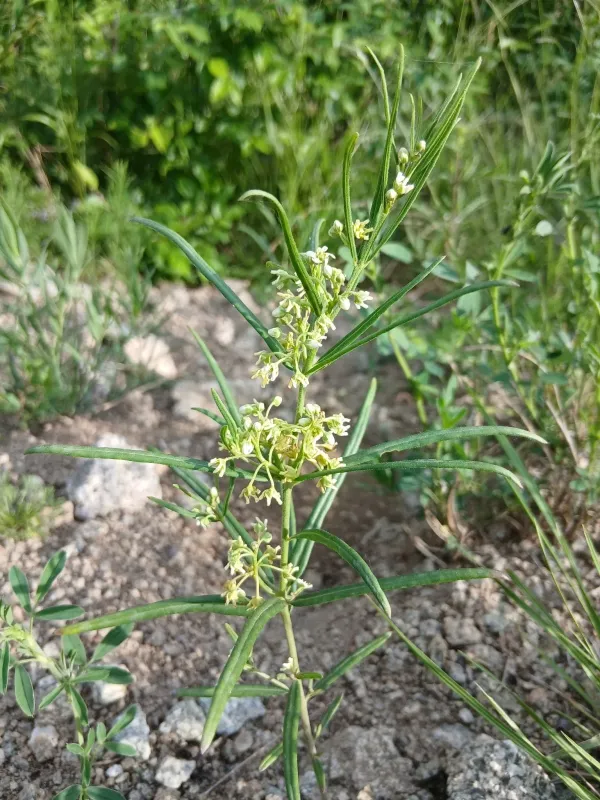
Description
Sowing dates
Cynanchum thesioides is a perennial herbaceous plant belonging to the Apocynaceae family. It is recognized for its slender, flax-like stems and a complex root system that supports long-term survival in various environments.
The planting season begins in early spring, once the danger of severe night frosts has passed. Seeds should be sown in prepared beds to ensure adequate soil-to-seed contact.
A row-based planting method is recommended, with spacing of approximately 40 to 50 centimeters between rows to facilitate mechanical weeding and ensure airflow.
To improve germination rates, seeds benefit from pre-sowing treatments such as stratification, which mimics natural winter conditions and breaks seed dormancy.
The seedling stage is critical; during the first few months, the plants require consistent soil moisture until their root systems become sufficiently established.
Growing requirements
This species thrives in well-drained, sandy or loamy soils. It demonstrates remarkable adaptability to dry conditions, making it suitable for regions with limited rainfall.
Full sun exposure is preferred for optimal development. The plant is sensitive to waterlogging, so fields must have a proper drainage system to prevent root hypoxia.
Soil pH should ideally be within the neutral range. While the plant is hardy, moderate fertilization with phosphorus and potassium can significantly boost overall biomass production.
Temperature resilience is high, as the plant is adapted to variable seasonal temperatures. In winter, the aerial parts die back, while the root system remains dormant underground.
Integrated weed management is necessary during the early stages of plant growth, as the plant can be slow to establish its canopy compared to aggressive weeds.
Main diseases and pests
Cynanchum thesioides possesses natural chemical defenses that deter many common agricultural pests. However, it is not immune to all environmental stressors or pathogens.
In humid or stagnant conditions, the plant is susceptible to various fungal diseases, particularly mildew, which can affect the leaves and reduce photosynthetic efficiency.
Root-knot nematodes and soil-borne larvae can cause significant damage to the roots if crop rotation practices are neglected over several seasons.
Viral infections may occur, often transmitted by aphids. Monitoring pest populations is essential to prevent the spread of diseases within the crop stand.
Field sanitation, including the removal of infected plant material and the use of healthy, certified seeds, remains the best strategy for disease prevention.
Harvesting
Harvesting the aerial parts is typically performed at the onset of the flowering stage, ensuring high quality of the raw material for industrial or medicinal use.
Mechanical harvesting equipment is used to cut the stems, which are then processed immediately to avoid quality degradation through moisture loss or oxidation.
Drying must be conducted in controlled environments, maintaining a temperature below 50 degrees Celsius to protect the plant's delicate biological compounds.
Root harvesting is conducted during the late autumn, once the plant has entered its natural dormant phase and translocated all nutrients to the root system.
The harvested roots are cleaned of debris, washed thoroughly, and dried using industrial air dryers until reaching a moisture content of roughly 10-12 percent.