
Cynanchum rostellatum
Cynanchum rostellatum
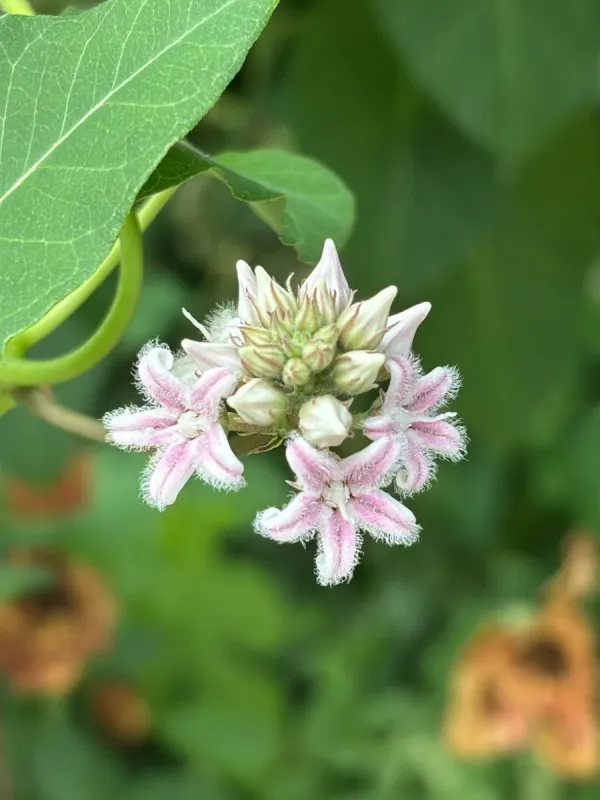
Description
Sowing dates
Cynanchum rostellatum is a perennial climbing plant belonging to the Apocynaceae family, primarily grown for its fibrous properties and potential botanical applications. Sowing is best performed in the spring once soil temperatures reach 18-20 degrees Celsius to ensure vigorous early growth.
Seeds often require cold stratification to break dormancy, significantly improving germination rates and uniformity across the field. Planting is typically conducted in well-prepared beds, ensuring that seeds are covered with a thin layer of soil to maintain optimal moisture levels.
During the establishment phase, the plants dedicate most of their energy to root system development, which makes the choice of location critical for long-term success. Trellis systems should be installed early in the season to accommodate the rapid vertical growth characteristic of this species.
Sowing density depends on the intended end-use of the crop, whether for fiber extraction or seed harvesting, requiring careful planning of row spacing. High-density planting can sometimes improve fiber length but may reduce the overall vitality of individual plants if resources are limited.
Early season weed control is essential for this species, as it is relatively slow-growing in the first few months and easily suppressed by faster-growing competitive weeds.
Growing requirements
This species thrives in fertile, well-draining loam or sandy-loam soils that allow for extensive root system expansion. It is sensitive to waterlogging, making proper field drainage a prerequisite for avoiding root rot and related fungal diseases that commonly affect Apocynaceae plants.
The plant requires full sun exposure to achieve its maximum growth potential, though it may tolerate light partial shade in extremely hot climates. Sunlight is particularly crucial during the reproductive phase to ensure proper flowering and development of the fruit pods.
Maintaining balanced soil moisture through the growing season is important, especially during the dry summer months when plant water demand is at its peak. Regular fertilization, focusing on balanced N-P-K ratios, supports the sustained development of both vegetative and reproductive biomass.
As a heat-loving plant, Cynanchum rostellatum is sensitive to frost and extreme cold, requiring protective measures such as mulching in regions where winter temperatures fall below freezing. Ensuring a sheltered environment from strong, drying winds helps maintain the integrity of the climbing stems.
The soil pH should ideally remain between 6.0 and 7.0 to facilitate the optimal uptake of essential nutrients, with periodic soil testing recommended for long-term production plots.
Main diseases and pests
Cynanchum rostellatum is susceptible to various pests, particularly aphids and spider mites, which can cause significant damage to the leaves and developing shoots during the hot season. Early detection and the use of integrated pest management are recommended to maintain plant health.
Fungal diseases, including root rot and powdery mildew, pose a threat when environmental conditions involve high humidity and poor air circulation. Proper spacing between plants is the most effective cultural method to reduce the risk of such outbreaks in a commercial setting.
Viral infections may occur, often transmitted by insect vectors, leading to stunted growth and reduced yields, necessitating strict monitoring and vector control. Biological controls, such as beneficial insects, are effective strategies for managing pest populations in organic cultivation models.
Environmental stress, such as extreme heat or sudden shifts in soil moisture, can leave the plant vulnerable to secondary pathogen infections, emphasizing the need for stable irrigation practices. Routine scouting for leaf discoloration or abnormal growth patterns is vital for timely intervention.
The prevention of crop damage relies heavily on good sanitation practices, such as removing debris and infected plant tissues after the harvest to break the disease cycle for the following season.
Harvesting
Harvesting the fruit pods requires precision, as they must be collected after reaching full maturity but prior to natural dehiscence to avoid seed loss. Seed-bearing pods are typically collected in late summer or early autumn using hand-tools to prevent damage to the climbing vines.
Root harvesting is performed during the dormant season, which allows for the collection of concentrated bioactive compounds stored in the underground storage organs. After extraction, roots must be washed thoroughly and dried at controlled temperatures to prevent contamination and degradation.
Fiber extraction from the stems is done once the plant has finished its main growth cycle, ensuring that the stalks have developed sufficient mechanical strength. The processing involves maceration techniques to separate the high-quality fibers from the inner woody tissues of the stem.
Proper post-harvest storage is crucial for preserving the quality of both the seeds and the fibrous material, requiring low-humidity environments with consistent airflow. Shelving systems that allow for even drying of the harvested biomass help maintain product standards throughout the storage period.
Standardizing the harvest period based on phenological stages is recommended to ensure consistency in the chemical and physical characteristics of the final agricultural product.