
Cynanchum pachycladon
Cynanchum pachycladon
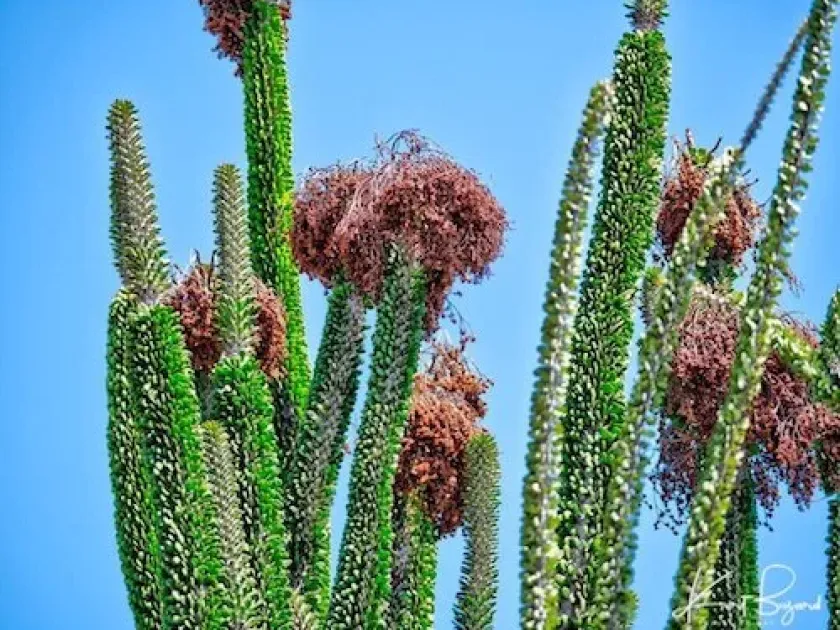
Description
Growing requirements
Cynanchum pachycladon is a unique succulent species belonging to the Apocynaceae family. Native to arid African regions, this plant has evolved distinct physiological mechanisms to survive in harsh, moisture-deficient environments by storing water within its thickened stems.
The plant features a succulent growth habit with robust, fleshy branches that adapt to long periods of drought. These botanical characteristics ensure the species remains dormant during extreme heat, resuming growth when moisture becomes available.
Soil requirements for this species are strict, focusing primarily on high porosity and excellent drainage. A substrate composed of inorganic materials such as pumice, perlite, and coarse sand is highly recommended to prevent root asphyxiation.
Climate needs involve high light intensity and warm temperatures. In cultivation, it thrives in environments that mimic its natural habitat, with day temperatures ranging between 22°C and 30°C and a significant reduction in watering during the winter resting phase.
Economically, this species is highly valued in the nursery and succulent trade for its ornamental appeal. Its ability to tolerate low-maintenance conditions makes it an excellent candidate for drought-tolerant gardening and xeriscaping projects.
Main diseases and pests
The most significant threat to Cynanchum pachycladon is root rot caused by poor soil drainage and excessive irrigation. Overwatering creates anaerobic conditions that favor fungal growth, rapidly leading to the death of the succulent tissue.
Pests such as mealybugs are a frequent concern, particularly in greenhouse settings where air movement may be stagnant. These insects hide in the crevices of the fleshy stems, extracting sap and weakening the plant's structural integrity.
Spider mites can also become a problem in very dry conditions, leading to the appearance of unsightly yellow stippling on the epidermis. Regular misting or the use of acaricides is recommended when infestations are detected early.
Preventative maintenance involves strict sanitation and the avoidance of overcrowding. By providing adequate space and air circulation, the risk of developing mold or fungal infections is significantly mitigated during the growing season.
If chemical interventions are necessary, systemic insecticides should be applied with caution, ensuring they are compatible with succulent plant tissue. Integrated pest management strategies, such as physical removal of pests, remain the most effective first line of defense.