
Cynanchum marnierianum
Cynanchum marnierianum
Description
Growing requirements
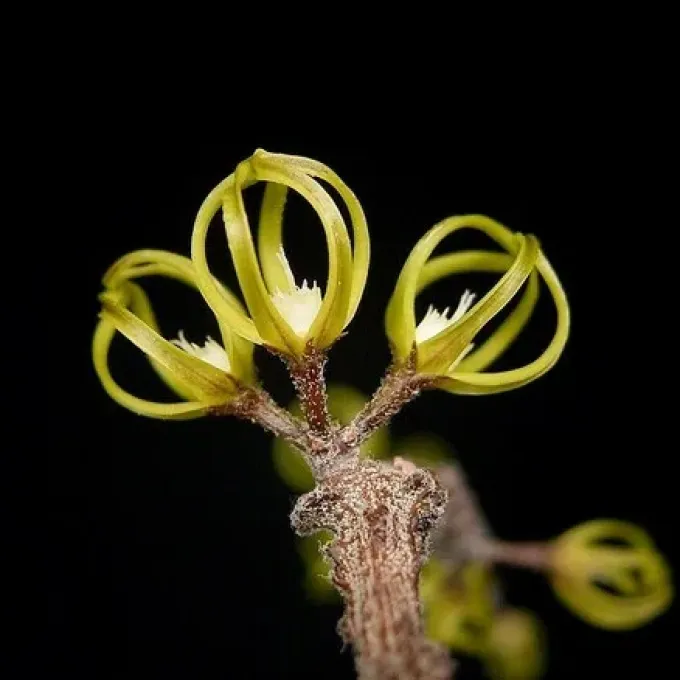
Cynanchum marnierianum is a unique succulent species belonging to the Apocynaceae family, native to Madagascar. It is highly valued for its striking, leafless, cylindrical, and intertwined stems, which create an intricate architectural display, making it a prized specimen for plant enthusiasts worldwide.
Environmental conditions for this species should mimic its native habitat. It thrives in bright, filtered light; however, intense afternoon sun must be avoided to prevent the sensitive stems from scorching. Consistent airflow is essential to keep the plant healthy and to prevent moisture buildup around the succulent tissue.
Soil requirements are strict regarding drainage. A highly porous, mineral-based medium is necessary to ensure that roots are never sitting in stagnant water. A mix composed of grit, perlite, and a small amount of organic potting soil provides the necessary foundation for optimal root health.
Cultural care involves a precise watering schedule: thorough irrigation during the growing season followed by a significant reduction in autumn and winter. The plant enters a dormant period, during which it prefers cooler temperatures, typically between 12 and 15 degrees Celsius, to prepare for future growth.
The plant is used primarily for ornamental purposes. Due to its slow growth rate and unique morphology, it is rarely mass-produced but remains a staple in specialized succulent collections, botanic gardens, and high-end indoor plant nurseries for enthusiasts of xerophytic vegetation.
Main diseases and pests
The most significant threats to Cynanchum marnierianum are root and stem rot, which occur predominantly in poorly draining soil or during periods of overwatering. These conditions quickly lead to the decline of the plant, often proving fatal if not addressed by immediate re-potting in dry, fresh medium.
Common pests include mealybugs and spider mites, which can thrive in low-humidity environments. Regular inspection is required, particularly in the crevices of the intertwined stems where pests prefer to hide. Applying mild systemic insecticides or horticultural soaps is generally effective for management.