
Cynanchum perrieri
Cynanchum perrieri
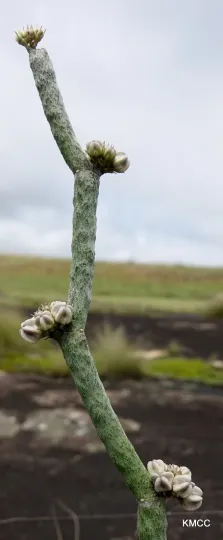
Description
Growing requirements
Cynanchum perrieri is a distinctive succulent species within the Apocynaceae family. It is recognized for its climbing or trailing growth habit and its ability to store water within specialized stem tissues, which is a key adaptation to its native environment.
The plant is endemic to Madagascar, where it thrives in arid and semi-arid conditions. Its evolutionary biology focuses on moisture retention, making it a specialized xerophyte that is highly sensitive to excessive hydration.
For agricultural or ornamental cultivation, a well-draining, mineral-based substrate is essential. Adding grit, pumice, or coarse sand ensures that excess water passes through, preventing the root system from sitting in stagnant moisture.
Lighting requirements are significant for this species. It requires abundant sunlight to maintain its structural integrity and health. Insufficient light leads to etiolation, where the stems become thin, weak, and abnormally elongated.
Climate control is critical during the dormancy period. The plant should be maintained in a stable environment, away from drafts and freezing temperatures. Maintaining a moderate temperature range is vital to simulate its natural habitat cycles.
Main diseases and pests
The primary pests affecting Cynanchum perrieri include mealybugs and spider mites. Mealybugs often hide in the crevices of the stems, making them difficult to detect and eradicate without thorough inspection.
Spider mites thrive in warm and dry conditions, often causing visible damage to the plant's surface. Regular misting or increasing airflow around the plant can help mitigate the risk of mite infestations.
Fungal pathogens are the most common cause of plant loss, typically resulting from improper watering schedules. Root rot remains the single greatest threat, causing the base of the stem to decay rapidly.
Bacterial soft rot can occur if the plant is wounded during handling or pruning. If the integrity of the stem's surface is compromised, pathogens can enter the inner tissue, leading to localized necrosis.
Effective management includes using sanitized pruning tools and avoiding excessive moisture on the plant body. Implementing a strict quarantine protocol for new plants is also recommended to prevent the accidental introduction of pests.