
Cynanchum insipidum
Cynanchum insipidum
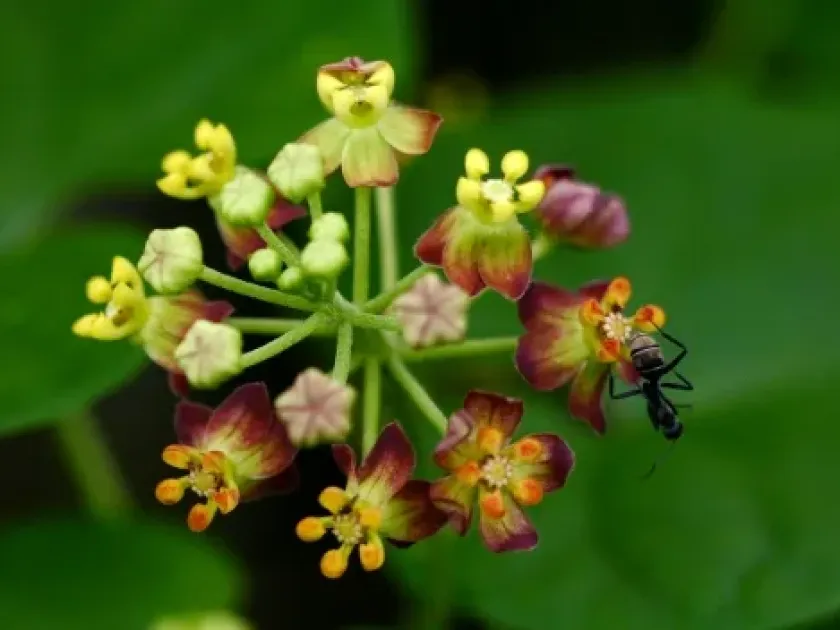
Description
Growing requirements
Cynanchum insipidum, a member of the Apocynaceae family, is a perennial plant that requires specific environmental conditions for optimal growth. It is recognized for its adaptability to various temperate climates, provided that specific soil moisture levels are maintained.
The plant thrives in well-drained, nutrient-rich soils with a slightly acidic to neutral pH balance. Farmers should avoid heavy clay soils, as these can impede root development and increase the susceptibility of the plant to anaerobic conditions.
Sun exposure is a critical factor for the development of Cynanchum insipidum. Full sun or partial shade is required for photosynthesis to proceed efficiently, ensuring the production of high-quality biomass throughout the growing season.
Water management is essential, as the plant prefers moderate hydration. Drip irrigation systems are often the most effective method, as they minimize the risk of surface fungal issues and ensure moisture reaches the deep root system directly.
Thermal stability contributes to plant longevity. In regions with harsh winters, protective measures such as heavy mulching or covering the base of the plants are recommended to protect the root crown from extreme frost damage.
Main diseases and pests
Spider mites are common pests that target the foliage of Cynanchum insipidum, especially during hot and dry weather. Frequent monitoring and the application of acaricides can effectively manage these populations and prevent leaf chlorosis.
Root rot is the most significant disease risk for this crop. It is typically triggered by poor drainage or excessive nitrogen application, which makes the plant tissue more vulnerable to fungal invasions from the soil.
Powdery mildew represents a persistent threat, characterized by white fungal growth on leaves. Preventive spraying with sulfur-based or systemic fungicides is advised to protect the yield during periods of high ambient humidity.
Aphid infestations can weaken the plants and serve as vectors for various plant viruses. Integrated pest management, including the introduction of natural predators like ladybugs, can provide a sustainable solution for commercial fields.
Weed interference must be strictly controlled, particularly in the establishment year. Mechanical cultivation or manual weeding around the base of the plant is necessary to eliminate competition for water and soil nutrients.