
Cynanchum maximoviczii
Cynanchum maximoviczii
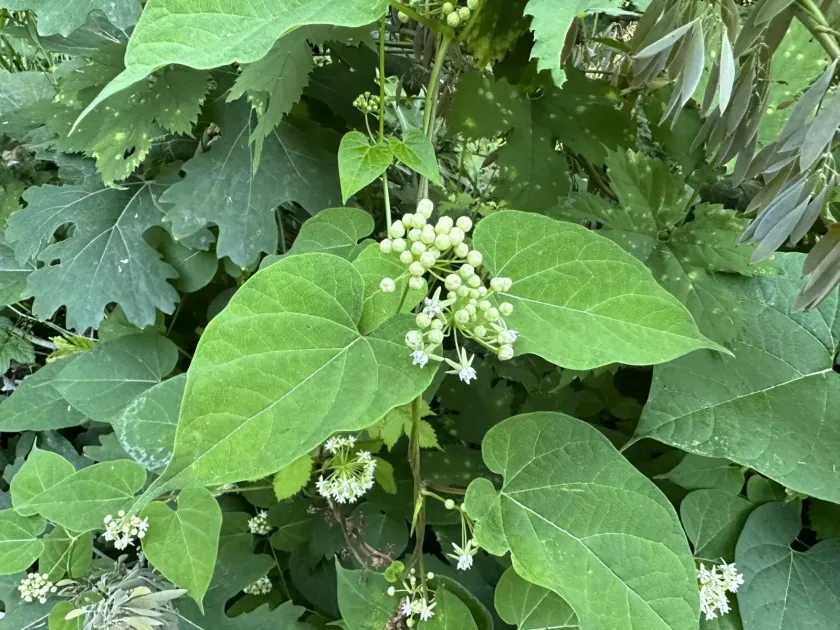
Description
Growing requirements
Cynanchum maximoviczii is a perennial climbing plant belonging to the Apocynaceae family. Its biological nature as a vine requires consistent vertical support systems, which are essential for its vigorous growth and reproductive cycle in a farming environment.
Originating from the Far East, including Japan and coastal areas of East Asia, this crop is adapted to temperate climatic conditions. It thrives in regions with balanced seasonal temperature fluctuations, provided there is adequate light during the growing phase.
Soil requirements focus on well-drained, nutrient-rich substrates. The plant performs best in neutral to slightly acidic loamy soils. Water management is critical; while it requires consistent moisture, saturated soils can cause rapid root rot and systemic failure.
Standard agronomic practice involves row planting with dedicated trellis systems to maximize leaf exposure to sunlight. Proper plant spacing is mandatory to ensure adequate airflow, which is a key factor in preventing disease outbreaks within the canopy.
The plant has gained interest in pharmaceutical research for its potential chemical constituents. It is primarily cultivated for its biomass, which contains bioactive compounds that are subject to investigation for medicinal applications in traditional and modern medicine.
Main diseases and pests
The primary threats to Cynanchum maximoviczii are fungal pathogens that flourish in humid, poorly ventilated conditions. Common issues include powdery mildew and root rot, which can significantly damage the plant's health if not addressed early.
Pest pressure often comes from sap-sucking insects like aphids and spider mites. These pests target the underside of the foliage, depleting the plant's resources and creating entry points for secondary bacterial or fungal infections.
Effective management strategies include the implementation of integrated pest management (IPM). Using non-chemical barriers and selecting resistant varieties are preferred methods to maintain crop yield while ensuring the quality of the harvested biomass.
Maintaining a weed-free field is essential, as competing vegetation often hosts pests and diseases that can jump to the crop. Regular weeding and maintaining optimal planting density contribute significantly to crop health.
Field scouting for early signs of chlorosis or leaf deformation is recommended twice a week during the peak growth season. Taking swift corrective actions prevents the spread of local infections throughout the plantation area.