
Cynanchum scoparium
Cynanchum scoparium
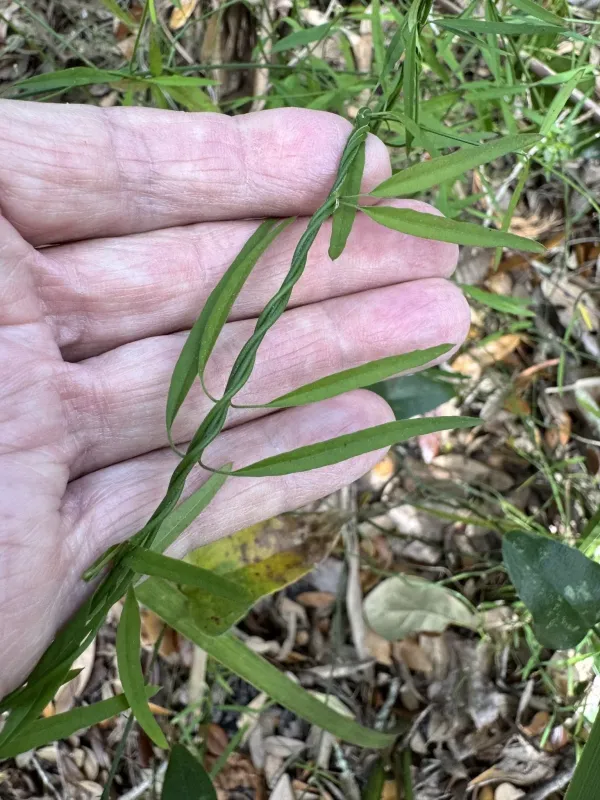
Description
Sowing dates
Cynanchum scoparium is a perennial herbaceous plant belonging to the Apocynaceae family. Successful propagation usually starts in early spring when soil temperatures reach stable levels suitable for germination.
Seeds should be sown in prepared, light, and well-drained soil at a shallow depth. Consistent moisture during the germination phase is critical for achieving a uniform stand of plants.
Vegetative propagation via rhizome division is a common practice for large-scale production, as it ensures quicker establishment and higher viability compared to seed sowing.
Proper spacing between plants is essential to promote healthy growth and to allow for easier mechanical maintenance and weed control during the initial stages of development.
Post-sowing soil compaction is recommended to ensure effective seed-to-soil contact, which aids in water uptake and significantly improves the success rate of the planting.
Growing requirements
The plant thrives in sunny, open environments, showing a preference for sandy or light loamy soils. It is notably drought-tolerant, making it suitable for regions with limited rainfall.
While the crop is relatively undemanding, it requires excellent drainage to prevent root rot. Excessive moisture in the soil is one of the primary limiting factors for healthy growth.
Temperature sensitivity is a key factor; the plant requires a sufficiently long growing season to reach its full productive potential before the arrival of the first winter frosts.
Nutrient management involves providing a balanced supply of macro-elements, with an emphasis on nitrogen for vegetative growth and potassium for resilience against environmental stressors.
Inter-row cultivation is necessary to maintain soil aeration and to manage weeds that might compete for nutrients and light during the critical first growth stages.
Main diseases and pests
Fungal infections are the most common issue, usually triggered by poor drainage or high humidity levels. Management practices prioritize preventing waterlogging to minimize these risks.
Insect pests, such as aphids, may occasionally attack the tender shoots, requiring vigilant monitoring and integrated pest management strategies to protect the crop yield.
Weed infestation is a significant challenge for newly established fields. Manual or mechanical removal is vital until the canopy closes and the plants can effectively shade out competing vegetation.
Viruses can impact crop performance, though these are typically secondary to fungal and pest pressures. Maintaining plant vigor is the best natural defense against such pathogens.
Crop rotation protocols should be followed to reduce the soil-borne pathogen load, ensuring that the field remains productive over multiple seasons.
Harvesting
Harvesting for forage purposes should ideally occur at the onset of flowering. This period provides the best balance between biomass yield and nutritional value for livestock.
When the target is fiber production, harvesting is delayed until the stems reach maturity, as this ensures the fibers are sufficiently developed for mechanical extraction and use.
Mechanical harvesting equipment must be calibrated to a specific cutting height to avoid damaging the crown of the plant, which is crucial for successful regrowth in the subsequent season.
Post-harvest handling is critical; the harvested biomass should be dried or processed immediately to prevent degradation and loss of quality caused by moisture and biological activity.
Depending on the climatic zone and the availability of irrigation, the crop may provide multiple harvests per year, maximizing the efficiency of the land use.