
Cynanchum callialatum
Cynanchum callialatum
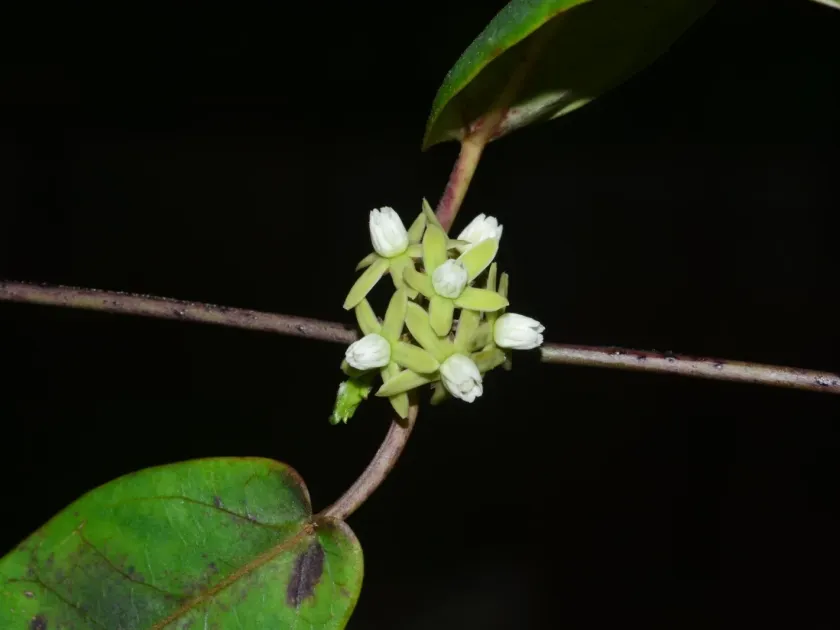
Description
Sowing dates
Cynanchum callialatum is a perennial climbing vine belonging to the Apocynaceae family. In agricultural practice, seeds should be sown in the spring once the soil temperature is consistently above 18°C, as the plant is sensitive to cold during the germination phase.
Proper seed preparation, including stratification or soaking in growth stimulants, significantly improves emergence rates. Seeds should be planted at a shallow depth of 1-2 cm in well-prepared, aerated seedbeds to ensure successful germination.
When sowing in open fields, it is crucial to provide sufficient space between rows to allow the vines to grow vigorously and to simplify later maintenance activities. Ensuring proper air circulation around the young plants helps prevent early fungal issues.
The use of a seedling method is often preferred for more predictable results. Starting seeds in controlled environments 6-8 weeks before the last frost allows for a stronger root system development, which is essential for rapid colonization of the field after transplanting.
Since this is a climbing species, installing support structures such as trellises is a fundamental step in its cultivation. Without vertical support, the plant's photosynthetic efficiency drops, negatively impacting its overall health and development.
Growing requirements
This crop thrives in loose, fertile loam soils with excellent drainage. Waterlogging is detrimental to the root system, so fields should be leveled and drained properly to avoid the accumulation of stagnant moisture.
Cynanchum callialatum is a heliophilic plant, requiring full sun exposure to maintain high growth rates. While it can tolerate partial shade, optimal yields and healthy growth are consistently recorded in full-sun conditions.
The ideal soil pH for this culture ranges from 6.0 to 7.0. Regular monitoring of the soil's chemical properties is recommended to prevent nutrient deficiencies, as the Apocynaceae family can be sensitive to specific micro-nutrient imbalances.
Water requirements remain moderate throughout the growing season. While established plants show some drought tolerance, consistent moisture levels during the peak vegetative growth and flowering stages are necessary for optimal biomass production.
General agronomic practices include seasonal mulching to suppress weeds and retain soil moisture, alongside periodic fertilization with balanced NPK formulas to support the rapid vine development characteristic of this species.
Main diseases and pests
Spider mites and aphids are the primary pests that affect Cynanchum callialatum, particularly in hot and dry climates. Early scouting is essential to implement control measures before populations reach economic damage thresholds.
Fungal issues, including powdery mildew, frequently occur in conditions with high humidity and poor airflow. Proper plant spacing and avoiding overhead irrigation can significantly mitigate the risk of these diseases.
Root rot pathogens thrive in compacted, poorly drained soils. Farmers should ensure proper soil structure and avoid over-irrigation to maintain a healthy root environment and prevent the development of necrotic lesions on the roots.
Viral pathogens may cause foliar spotting or deformation, often transmitted by insect vectors. Managing the surrounding weed population and controlling insect pests are key strategies in preventing the spread of such diseases across the field.
Integrated Pest Management (IPM) is the recommended approach for this crop. Utilizing biological controls and rotating the crop away from other Apocynaceae species help reduce the overall disease pressure and improve long-term productivity.