
Siberian swallow-wort
Cynanchum sibiricum
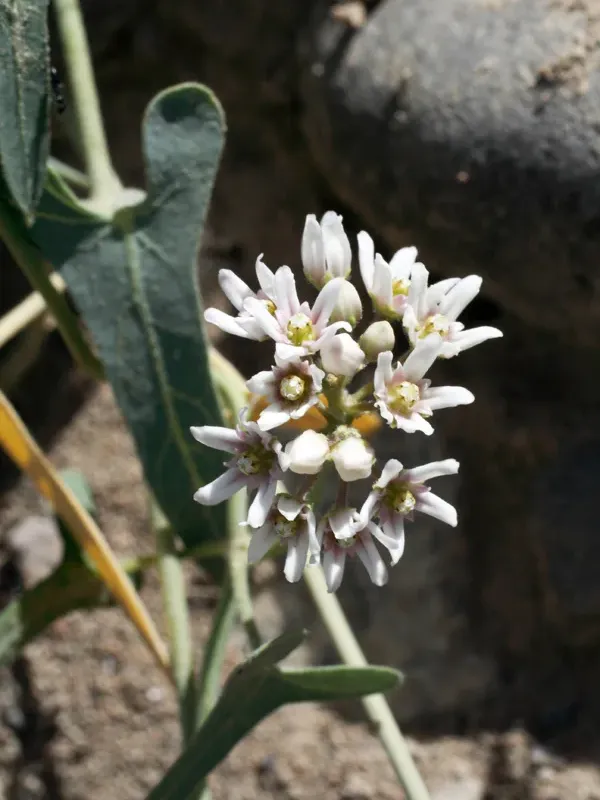
Description
Sowing dates
Siberian swallow-wort (Cynanchum sibiricum) is a perennial herbaceous plant belonging to the Apocynaceae family, known for its resilience and specific biological cycle.
For successful establishment, seeds are sown in early spring into prepared, weed-free soil once the ground temperature reaches approximately 15 degrees Celsius.
The planting depth should be shallow, generally between 2 and 3 centimeters, to ensure that the small seeds have sufficient energy to reach the surface.
Proper spacing between rows is essential for efficient mechanical maintenance, allowing for aeration and preventing the overcrowding of mature specimens.
Establishing the crop using vegetative propagation with rhizome segments is also a viable option, often resulting in more uniform plant density compared to seed sowing.
Growing requirements
This species thrives in locations with full sun exposure, which is critical for maximizing the synthesis of secondary metabolites within the plant tissues.
Siberian swallow-wort is highly adaptable to various soil textures but prefers well-drained, slightly alkaline to neutral sandy loam substrates.
Its drought tolerance makes it a suitable candidate for marginal agricultural lands where irrigation availability might be inconsistent or limited.
The plant demonstrates significant hardiness, successfully overwintering in regions with harsh continental climates and deep soil freezing.
Efficient nitrogen-phosphorus fertilization during the active vegetative stage significantly boosts biomass production and improves the overall health of the crop.
Main diseases and pests
The crop is susceptible to various fungal pathogens that can develop during periods of high atmospheric humidity or prolonged rainfall.
Common agricultural pests such as aphids and spider mites frequently target the tender shoots, which can lead to stunted growth if left unmanaged.
Root rot is a major threat in soils with poor permeability, often leading to the premature death of the plant during the mid-summer heat.
Integrated pest management strategies are recommended, focusing on the removal of infected plants and the use of targeted biological control agents.
Consistent monitoring for early signs of disease is vital for protecting the yield, as damaged tissues can quickly serve as entry points for secondary infections.