
Cynanchum toliari
Cynanchum toliari
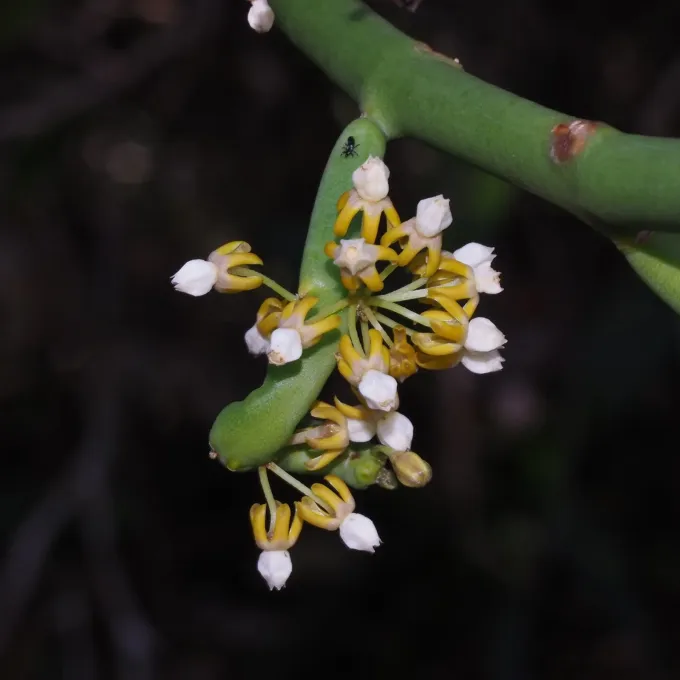
Description
Growing requirements
Cynanchum toliari is a distinct succulent species belonging to the Apocynaceae family. Native to Madagascar, it has evolved to thrive in high-temperature, low-moisture environments, making it a specialized crop in controlled cultivation.
The plant requires full sun exposure to maintain its compact growth form and health. In greenhouse settings, high light intensity is crucial, often requiring supplemental lighting during cloudy periods in temperate zones.
Soil requirements focus on extreme drainage. A substrate composed of coarse sand, pumice, and minimal organic matter is necessary to prevent root rot, which is the primary failure point in non-native cultivation.
Temperature management is critical: the species grows best in ranges between 20°C and 30°C. During the dormant winter season, temperatures should drop to approximately 12°C to 15°C to mimic natural cycles and encourage future flowering.
Irrigation must be strictly controlled, following a 'soak and dry' method. Fertilization should be limited to the active growing season, utilizing balanced, low-nitrogen formulas to avoid weak, etiolated growth.
Main diseases and pests
Root rot, caused by fungal pathogens such as Phytophthora and Pythium, remains the most significant threat to Cynanchum toliari. It is almost exclusively triggered by overwatering or poor drainage systems.
Common pests include spider mites and mealybugs, which thrive in dry greenhouse conditions. These pests target the succulent stems, causing structural damage and serving as vectors for secondary bacterial infections.
Effective management includes regular monitoring for early signs of infestation, such as fine webbing or cottony white deposits. Maintaining good air circulation significantly reduces the risk of pest outbreaks.
Systemic insecticides are generally recommended for severe infestations to ensure deep tissue protection. For minor attacks, physical removal combined with mild horticultural soaps can be effective.
Preventative strategies should focus on strict quarantine of new stock and the use of sterilized soil mixes. Ensuring that containers are never left sitting in stagnant water is the most vital step in preventing disease.