
Cynanchum chinense
Cynanchum chinense
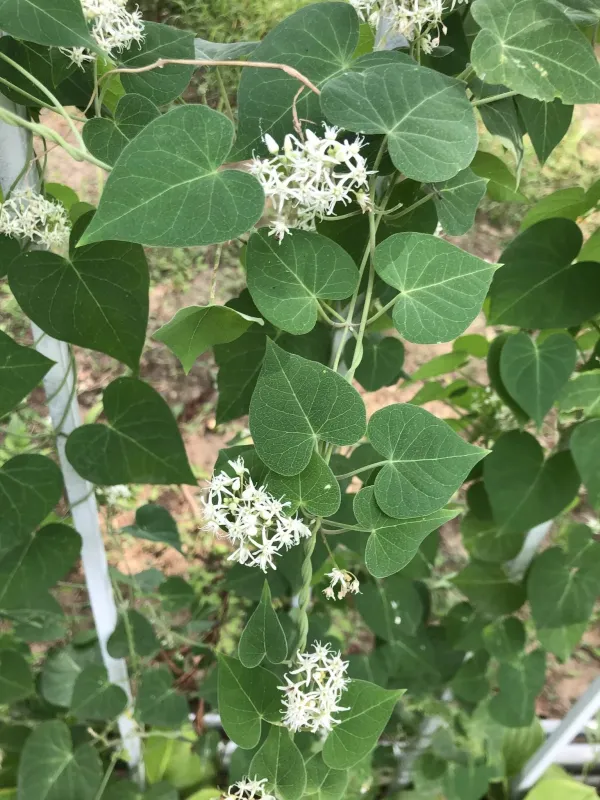
Description
Sowing dates
The sowing of Cynanchum chinense seeds is primarily conducted in the spring once the soil temperature reaches 15–18 degrees Celsius. To ensure uniform germination, seeds require preliminary stratification for 30–45 days under cool, positive temperature conditions.
The planting depth in open soil should not exceed 1–2 centimeters due to the small size of the seeds. It is recommended to sow in rows with a spacing of about 40–50 centimeters to provide adequate nutrition area for each plant.
In regions with shorter growing seasons, using a seedling method for cultivation is advisable. Seedlings should be transplanted to their permanent location after the risk of night frosts has passed, ensuring protection from dehydration during the initial weeks.
The selection of the planting site must preclude excessive moisture, as Cynanchum seeds are sensitive to rot in waterlogged conditions. During direct sowing, maintaining high soil moisture is crucial until the emergence of seedlings.
The optimal planting density is 4–6 plants per square meter to allow for the proper development of the root system and biomass.
Growing requirements
Cynanchum chinense belongs to the Apocynaceae family and is a perennial herbaceous plant or semi-shrub. In its natural habitat, it grows in dry sandy areas, steppes, and along field edges throughout East Asia.
The crop prefers well-drained, sandy or light loamy soils with a neutral or slightly alkaline pH level. The plant exhibits high drought resistance and can successfully withstand prolonged periods without rainfall due to its robust rhizome.
For successful growth and the accumulation of biologically active substances, Cynanchum requires intense solar exposure throughout the day. Shading leads to leggy stems and a significant decrease in the concentration of secondary metabolites.
Nutritional requirements are moderate, but the application of small doses of potassium fertilizers helps improve winter hardiness and strengthens plant cell walls. The application of fresh manure is discouraged due to the risk of root rot.
This plant is a halophyte, capable of adapting to saline soils, making it a promising crop for the reclamation of degraded lands.
Yield
The primary product of Cynanchum chinense is its rhizome, which is used in the pharmaceutical industry as medicinal raw material. The yield of dry root mass varies depending on the age of the plant and growing conditions.
Industrial harvesting typically occurs in the third or fourth year of the crop's life, when the concentration of active substances reaches its peak. During this period, the total biomass of roots per hectare can reach 2–3 tons in dry matter.
The yield of the above-ground part (stems and leaves) serves as a secondary product, which can be utilized for technical fibers or extracts. The green mass per bush can reach 500–800 grams in favorable years.
To increase the output of marketable products, regular inter-row cultivation and weeding are applied, as weeds significantly inhibit the growth of Cynanchum during early developmental stages.
Harvesting is performed by mechanically digging up the rhizomes, followed by cleaning off soil particles and drying in specialized ventilated facilities at temperatures not exceeding 50 degrees Celsius.
Main diseases and pests
Cynanchum chinense is highly resistant to diseases, although improper agronomic practices can lead to fungal infections. The most dangerous is the development of gray mold during periods of high humidity.
Among pests, aphids can cause significant damage by attacking young shoots and inflorescences and sucking plant sap. The harmful effects of aphids include leaf deformation and the transmission of viral diseases.
In some cases, spider mites may appear during severe droughts. Their presence can be identified by characteristic yellowing of the leaves and the presence of fine webbing on the underside of the leaf blades.
Disease prevention involves following strict crop rotation and avoiding monoculture on the same plot for more than five consecutive years. Regular sanitary pruning of dead plant parts is also necessary.
- Application of biological insecticides for pest control.
- Timely soil loosening to prevent moisture stagnation.
- Removal of infected plants to localize infections.
Harvesting
Harvesting the rhizomes of Cynanchum chinense is carried out in late autumn when the above-ground portion begins to die back and nutrients migrate into the root system. This ensures the maximum quality of the medicinal material.
Digging is performed using tractor-mounted blades or specialized harvesters adjusted to a depth of 30 centimeters. It is important to avoid mechanical damage to the roots, as this leads to the loss of active compounds during storage.
After digging, roots are cleaned of residual soil, side rootlets are removed, and the primary rhizomes are washed with running water. This operation must be performed promptly to prevent fermentation or mold growth.
Drying is a critical stage performed in well-ventilated rooms or dryers with active warm airflow. Improper temperature settings may lead to the degradation of glycosides contained within the plant.
Finished raw materials are stored in dry, dark warehouses with good ventilation, away from rodents and insects, using paper or fabric bags.