
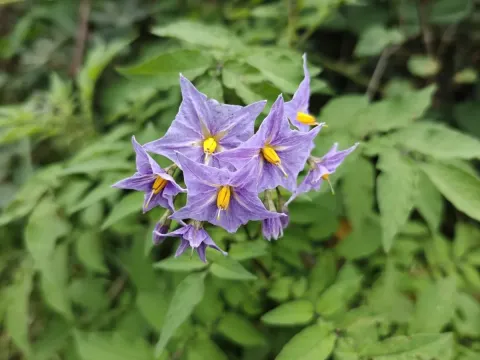
Solanum vernei
Solanum vernei
Solanum vernei is a perennial herbaceous plant belonging to the Solanaceae family. As a wild relative of the common potato, it originates from the mountainous regions of Argentina and Bolivia, where it has evolved to thrive in high-altitude environments with significant climate stress.
What the section contains
Solanum vernei
The botanical structure of the plant features distinct odd-pinnate leaves and white or light purple flowers. Unlike domesticated potato varieties, Solanum vernei produces smaller tubers that contain specific chemical compounds, making them less suitable for direct human consumption, yet genetically vital for future agricultural developments.
The species requires well-drained soils and moderate moisture to establish a healthy root system. It is well-known for its exceptional tolerance to low temperatures and extreme diurnal temperature fluctuations, traits that researchers actively seek to integrate into cultivated crop varieties.
The primary agricultural utility of Solanum vernei lies in its role in breeding programs. Its most sought-after characteristic is a strong, natural resistance to the potato cyst nematode (Globodera rostochiensis), which poses a major threat to global potato production.
Successful cultivation of this species requires careful management of photoperiod conditions. The tuberization process is highly dependent on day length, necessitating controlled greenhouse environments for researchers working outside the plant's native ecological range.
The most significant pathological threat to Solanum vernei is late blight, particularly in environments with high humidity. Proper ventilation and standardized fungicide protocols are essential to protect experimental populations from fungal spores during the growing season.
The Colorado potato beetle remains a persistent pest that feeds on the foliage of Solanum vernei. Monitoring and physical protection measures are required to prevent damage, as the loss of leaf area directly impacts the plant's ability to store energy in its tubers.
Soil-borne bacterial pathogens pose a severe risk to the longevity of the plant's root system. To maintain a healthy breeding stock, many agronomists prefer using sterilized growing media and hydroponic or containerized systems to avoid direct contact with soil diseases.
Viruses transmitted by aphid populations are a critical concern for the genetic stability of the species. Stringent quarantine protocols and the use of insect-proof netting are standard practices in scientific research facilities to prevent transmission.
Finally, senescence and pre-harvest rots can occur if moisture management is not strictly controlled. Regular inspection of the plant canopy and the immediate removal of any diseased material are necessary steps to preserve the integrity of the genetic source material.