
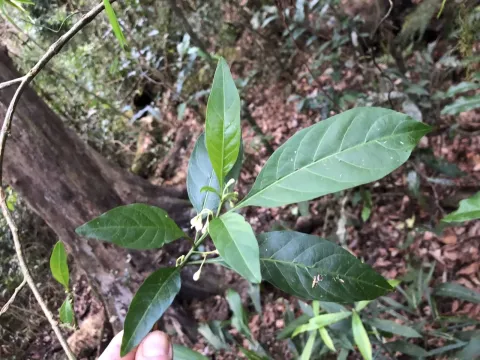
Spiral-leaf nightshade
Solanum spirale
The Solanum spirale, commonly known as spiral-leaf nightshade, is a perennial shrub or small tree belonging to the Solanaceae family. It is distinguished by its unique leaf arrangement and smooth, often spirally oriented stems that give the plant its scientific name.
What the section contains
Spiral-leaf nightshade
The native range of this species extends across Southeast Asia, including parts of India, China, and the Indochinese peninsula. It thrives in tropical and subtropical forest understories, benefiting from filtered light and consistently moist atmospheric conditions.
Cultivation requires well-draining, nutrient-rich soils with a slightly acidic to neutral pH. Proper soil aeration is critical, as the plant is highly susceptible to root damage caused by waterlogging, which often leads to rapid decline in poorly prepared growing media.
Thermal requirements for Solanum spirale are strictly tropical. It prefers temperatures between 20°C and 28°C and does not survive frost. In cooler climates, the plant must be kept in greenhouses or specialized indoor environments to prevent cold injury.
From an agricultural and ethnobotanical perspective, the plant is primarily utilized for its bioactive compounds. Various parts of the shrub have historical uses in traditional medicine, and researchers are actively studying its potential for pharmaceutical applications due to its alkaloid content.
This crop is prone to common Solanaceae pests, including aphids and whiteflies, which can be particularly damaging in controlled environments. These pests not only weaken the plant but may also transmit viral infections.
Fungal pathogens such as Phytophthora and various forms of stem rot are significant threats. Implementing a strict irrigation management plan and ensuring optimal ventilation helps to mitigate the risk of these infections.