
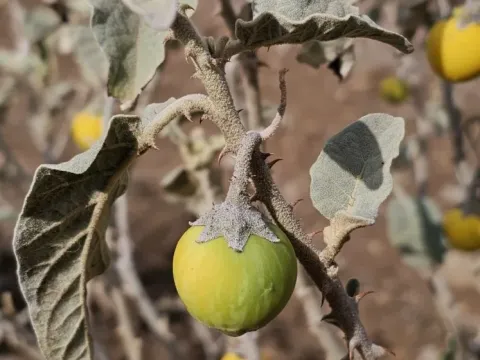
Solanum unguiculatum
Solanum unguiculatum
Solanum unguiculatum is a species belonging to the Solanaceae family. Native to tropical regions of Africa, this plant is a perennial herbaceous or semi-shrubby species that requires specific growing conditions.
What the section contains
Solanum unguiculatum
The sowing process typically begins in late winter or early spring using controlled greenhouse environments. High-quality germination requires a consistent temperature of around +20°C to +22°C.
Seeds should be sown in a sterile, light potting medium. Proper depth control is essential, generally involving burying the seeds at approximately 1 cm to ensure adequate moisture retention.
Seedlings require intense lighting immediately after emergence to ensure sturdy growth. Without sufficient light, the stems become weak, which hampers the plant's structural integrity during the growing season.
Hardening off the plants is a crucial step before transplanting to the field. This process gradually exposes seedlings to outdoor conditions over 7–10 days to minimize transplant shock.
The plant thrives in well-drained, fertile soil with a neutral pH level. Sandy loam soils are ideal as they prevent the root system from becoming waterlogged during rainy periods.
Climate requirements for Solanum unguiculatum focus on warmth and sunlight. It performs best in regions where temperatures remain consistently above +20°C during the active vegetation phase.
Water management is critical. While the plant needs regular irrigation, the soil surface should be allowed to dry slightly between waterings to prevent root rotting and fungal issues.
Fertilization regimes should prioritize balanced NPK ratios during the initial growth stages, shifting towards higher potassium content once flowering commences to support fruit development.
Spacing between individual plants should be maintained at 40–50 cm to ensure proper airflow, which is necessary to prevent high humidity buildup within the canopy.
Common pests include aphids, whiteflies, and potato beetles, which are typical for most Solanaceous plants. Early monitoring is key to preventing widespread infestations in the crop.
Fungal diseases like late blight and early blight pose significant risks, especially when environmental conditions include high humidity and moderate temperatures.
Effective management includes crop rotation strategies, ensuring that Solanum unguiculatum is not planted where other nightshade family crops have been grown in the previous three years.
Mechanical weed control is recommended, as weeds can serve as alternative hosts for various viruses and pathogens that affect the Solanum species.
Preventative fungicide applications may be necessary in high-pressure areas to maintain crop health throughout the productive part of the growing cycle.