
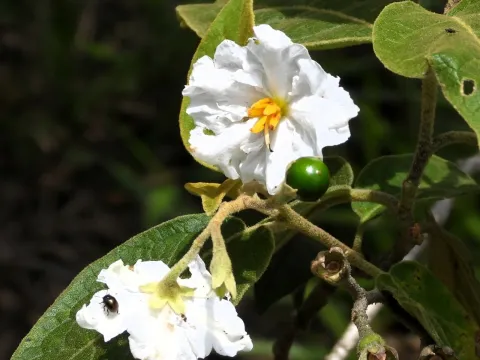
Solanum variabile
Solanum variabile
Solanum variabile is a member of the Solanaceae family, known for its rapid growth and structural characteristics. Due to its tropical origins, this plant is typically started indoors in temperate regions.
What the section contains
Solanum variabile
Seeds should be sown in early spring in a well-draining seed-starting mix. The germination process requires constant warmth and high humidity to ensure consistent success rates.
Once seedlings have developed two sets of true leaves, they should be transplanted into larger individual containers to minimize root disturbance during the later planting phase.
Artificial lighting is strongly recommended for early-stage seedlings to prevent weak, spindly growth, which often happens in low-light indoor environments.
Gradual acclimatization to outdoor conditions is necessary to harden the plants before they are permanently moved to the garden or field setting.
This crop thrives in fertile, well-draining loamy soils with a slightly acidic to neutral pH level. Proper soil preparation with organic matter is crucial for maximum yield.
The plant requires full sun exposure to produce high-quality foliage and fruit. Partial shade will significantly reduce the vigor and overall development of the plant.
Consistent moisture is needed throughout the growing season. However, waterlogging should be avoided at all costs, as it predisposes the roots to fungal pathogens.
Temperature management is vital; the plant performs best between 20°C and 28°C. It is extremely sensitive to frost and must be protected from even minor temperature drops.
Regular maintenance, including mulching the base to retain moisture and suppressing weeds, will improve the plant's growth stability during the hot summer months.
Solanum variabile is susceptible to various pests common to the nightshade family, including aphids, spider mites, and whiteflies, which can cause significant damage.
Fungal diseases, such as late blight and leaf spot, are prevalent in humid conditions. These can be managed by ensuring adequate spacing between individual plants.
Root-knot nematodes can pose a problem in warm climates, potentially leading to stunted growth and reduced nutrient uptake in affected plants.
Integrated pest management (IPM) practices, such as introducing beneficial insects and using selective organic pesticides, are highly recommended for large-scale crops.
- Implement strict crop rotation to avoid soil-borne pathogens.
- Maintain proper ventilation to reduce humidity levels around the foliage.
- Monitor the undersides of leaves regularly for early signs of infestations.